Biologic living (the Battle Creek Idea)
John Harvey Kellogg told paying guests at his Battle Creek Sanitarium that the colon was a "seething mass of putrefying food residues" poisoning and aging them, and sold a vegetarian diet, colon hygiene, and baths to clear it. He called it biologic living. But lab work in the 1910s found those toxins do not reach the blood, and medicine abandoned intestinal autointoxication by the 1920s. No trial ever tested it. Kellogg died in 1943.
The doctor who made the colon the enemy
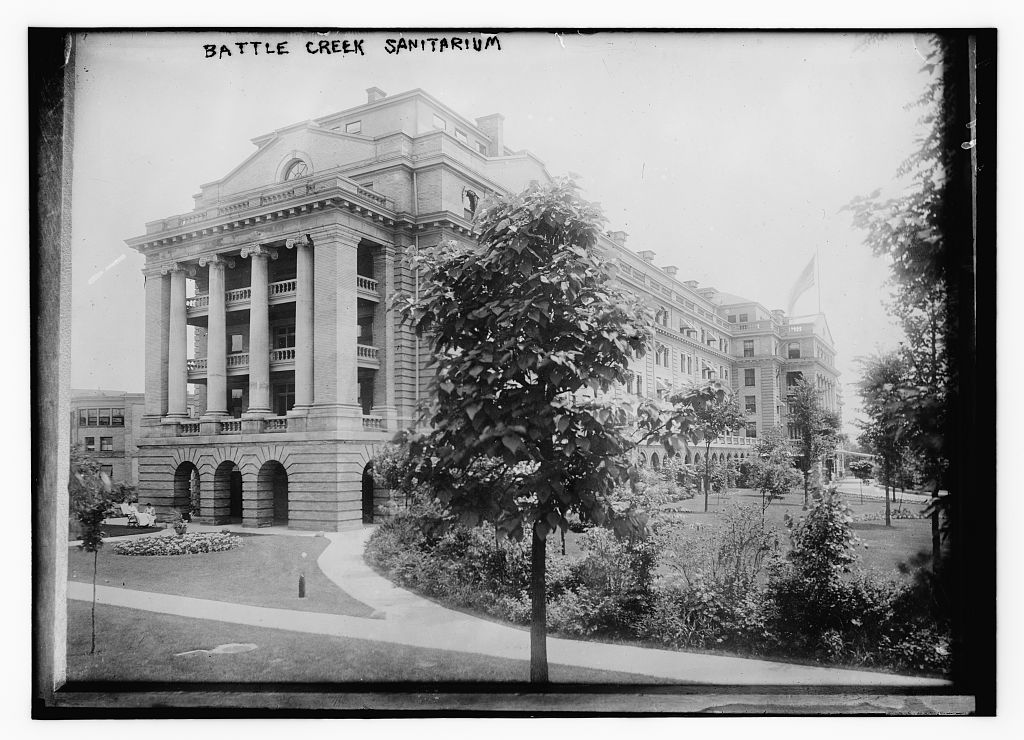
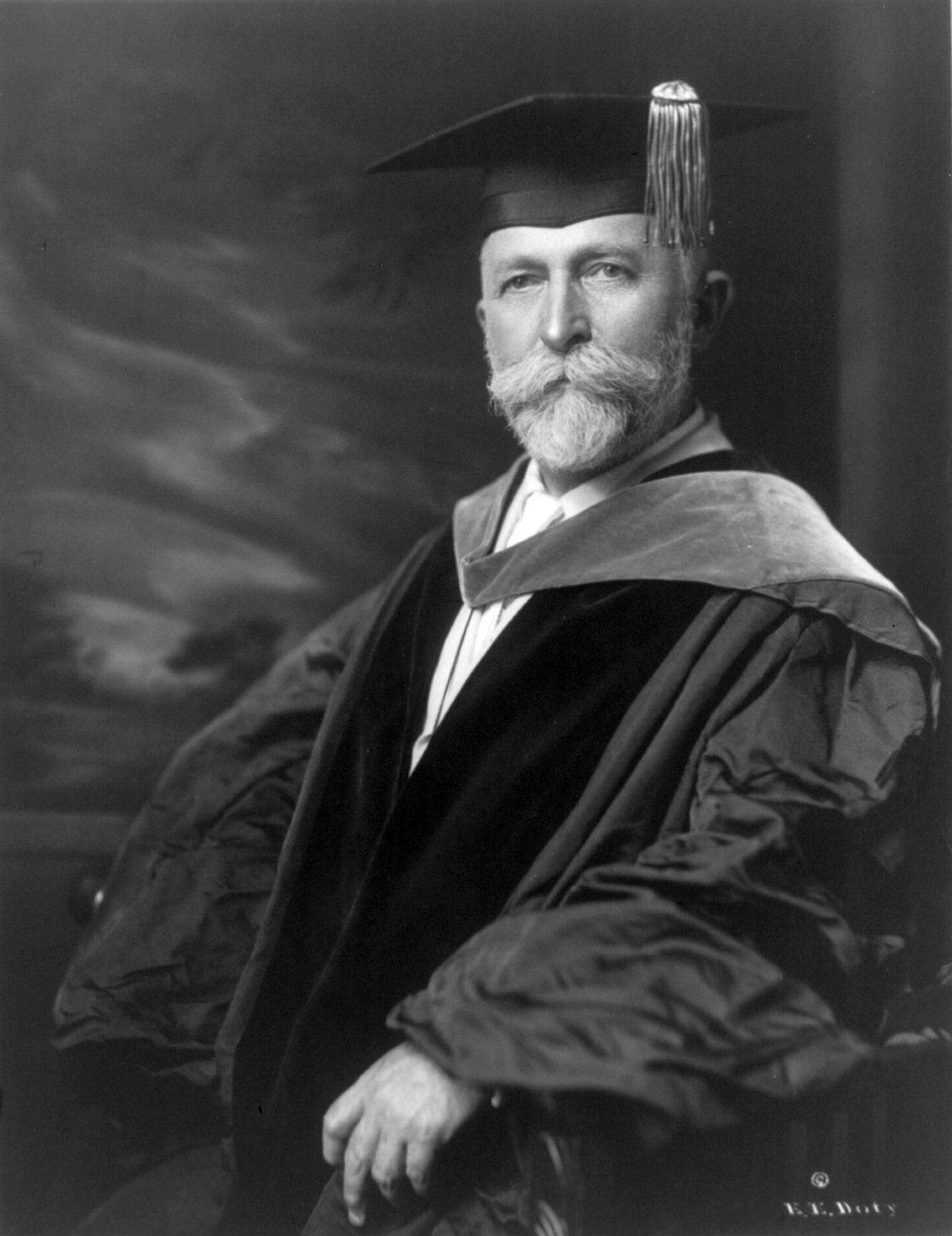
The colon, John Harvey Kellogg taught, was ‘a seething mass of putrefying food residues’ slowly poisoning the body — and he had the authority to make people believe it. Kellogg (1852-1943) trained at Bellevue Hospital Medical College and from 1876 directed the Battle Creek Sanitarium in Michigan, which he built from a small Seventh-day Adventist health institute into a large residential health resort. His standing was medical, literary, and institutional at once: a physician and surgeon who also published bestselling health books through Battle Creek houses (the Good Health Publishing Co. and the Modern Medicine Publishing Co.) and ran an establishment that drew a national and international clientele. That combined authority, not a single proprietary product, carried the longevity program he called ‘biologic living.’
You had to come and live it
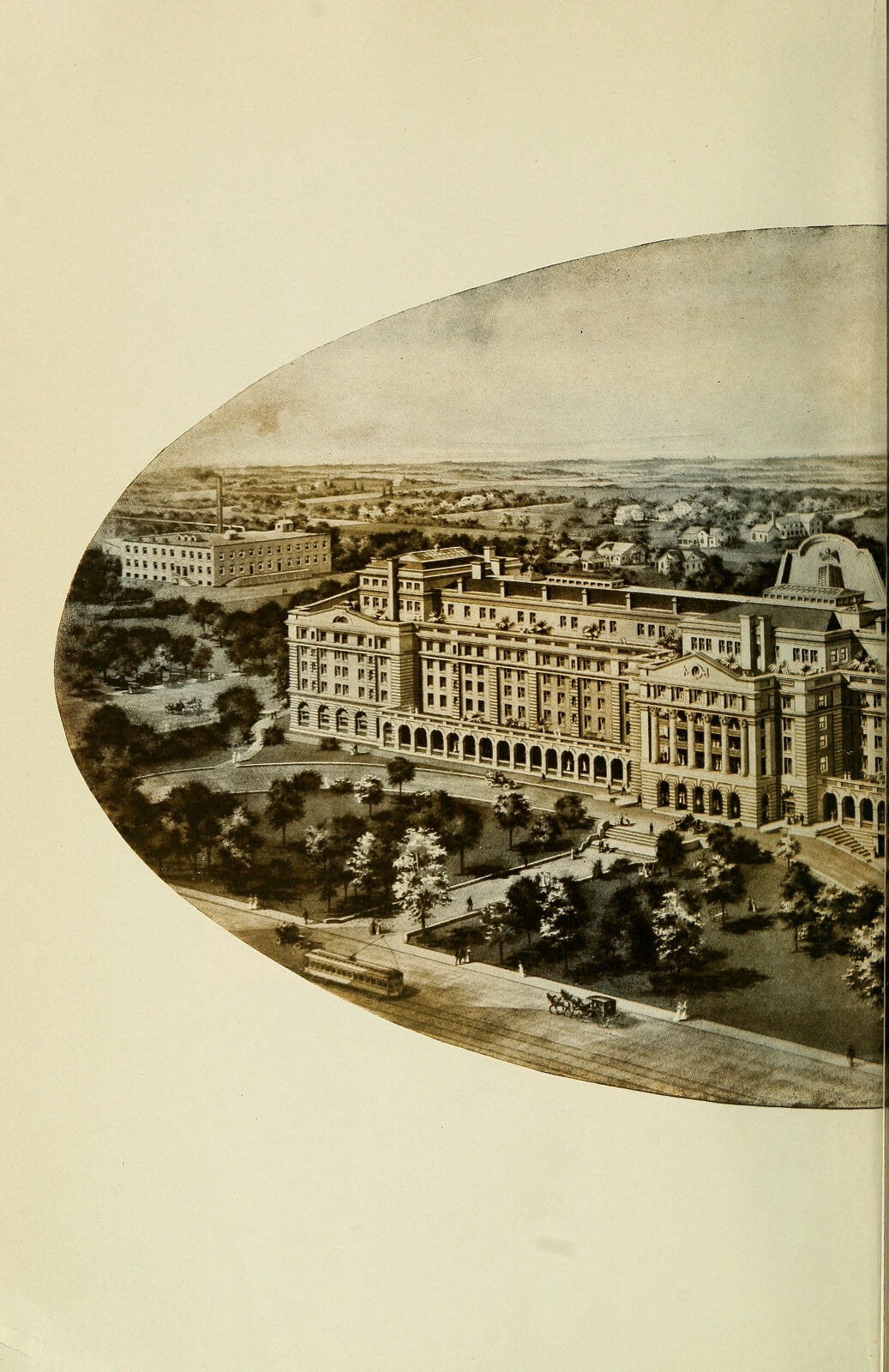
Access was through residence at the Sanitarium, a fee-charging institution where paying guests stayed for days to months and followed the regimen under staff supervision. The Sanitarium presented itself (in Kellogg’s own The Battle Creek Sanitarium System, 1908) as a coordinated system of diet, hydrotherapy, exercise, and physiologic management, and it became a destination resort. The exclusivity was the institution and its program, marketed as a scientifically organized route to health and long life, rather than any scarce substance: the underlying practices (vegetarian diet, bowel regularity, baths, exercise) were cheap, but the certified Battle Creek system, administered on site, was the premium good.
Poison from within
The organizing mechanism was intestinal autointoxication. Kellogg held that the colon’s putrefactive bacteria generate toxins that are absorbed into the body and underlie a long list of chronic disorders and premature aging, and that an antitoxic vegetarian diet, bowel regularity, and colon hygiene would remove the source. He stated the theory at book length in Autointoxication; or, Intestinal Toxemia (1919) and the colon-hygiene program in Colon Hygiene (1916), declaring that ‘intestinal toxaemia or autointoxication is the most universal of all maladies, and the source of autointoxication is the colon with its seething mass of putrefying food residues’ (The Itinerary of a Breakfast, 1920, as quoted in Mathias, 2018). No human lifespan endpoint was measured. The inference ran from in-vitro and bacteriological observations of intestinal putrefaction to a systemic, life-shortening self-poisoning, a leap the evidence did not support.
Theorist, innkeeper, and publisher in one
The conflict is the alignment of Kellogg’s roles behind a single promoted regimen, stated without overstatement. The same person who advanced the autointoxication-longevity theory also directed the Sanitarium that sold residence on the strength of it and ran the Battle Creek publishing houses that issued his books promoting it (the Good Health Publishing Co. published Colon Hygiene, 1916; the Modern Medicine Publishing Co. published Autointoxication, 1919). The Sanitarium descended from a Seventh-day Adventist institute and operated, by its own account, ‘for compensation and also for purposes of benevolence and charity,’ a partly charitable structure; the sources reviewed for this case do not detail Kellogg’s personal profit share from its fees or his publishing houses. The conflict is therefore named as the convergence of his medical authority, his institution, and his publishing on one regimen, not as a claim that he was the sole or undisclosed beneficiary of the revenue.
When the toxins never showed up
The enabling theory collapsed. Experimental studies in the 1910s cast doubt on the possibility of bowel toxins leaching into the circulation in the quantities the theory required, and intestinal autointoxication faded from professional acceptance during the 1920s (Whorton, 2000); the same historical literature treats Kellogg’s program as a clinical instance of the broader autointoxication enthusiasm rather than a vindicated science (Mathias, 2018). The disconfirmation is specific to the mechanism and the packaged life-extension claim, not to every component: abstinence from alcohol and tobacco and regular exercise have independent later support, but the colon-autointoxication rationale that unified the regimen does not. No controlled outcome trial of biologic living was ever run, so the longevity promise rested on a mechanism that mainstream medicine abandoned. Kellogg died in 1943.
The pattern repeats
The same structural machinery appears in different treatments and eras. These cases show the claimed mechanism and how the claim met evidence.
Jackson's Psycho Hygienic Method (Our Home on the Hillside water cure)
Hauser's "Wonder Foods" diet (Look Younger, Live Longer)
Bennett's rejuvenation system (muscular contractions and self-massage)
More related cases · 13
Evidence · 6 sources
- Autointoxication; or, Intestinal Toxemia (1919)
- Colon Hygiene (1916)
- The Battle Creek Sanitarium System: History, Organization, Methods (1908)
- Autointoxication and historical precursors of the microbiome-gut-brain axis (2018)
- Civilisation and the colon: constipation as the "disease of diseases" (2000)
- Historic Marker: Granula (2026)