Physical Culture (Macfadden's drugless system)
Bernarr Macfadden, a publisher with no medical training, sold fasting and drugless living as the cure for every disease, preaching it to 35 million readers from a magazine empire built on his own bare-chested physique. In 1955, aged 87, he refused a doctor for a digestive disorder and died of it, short of the long, disease-free life his system promised. He had inflated a real fitness surrogate into unmeasured disease-cure claims, citing no controlled study.
The body was the proof
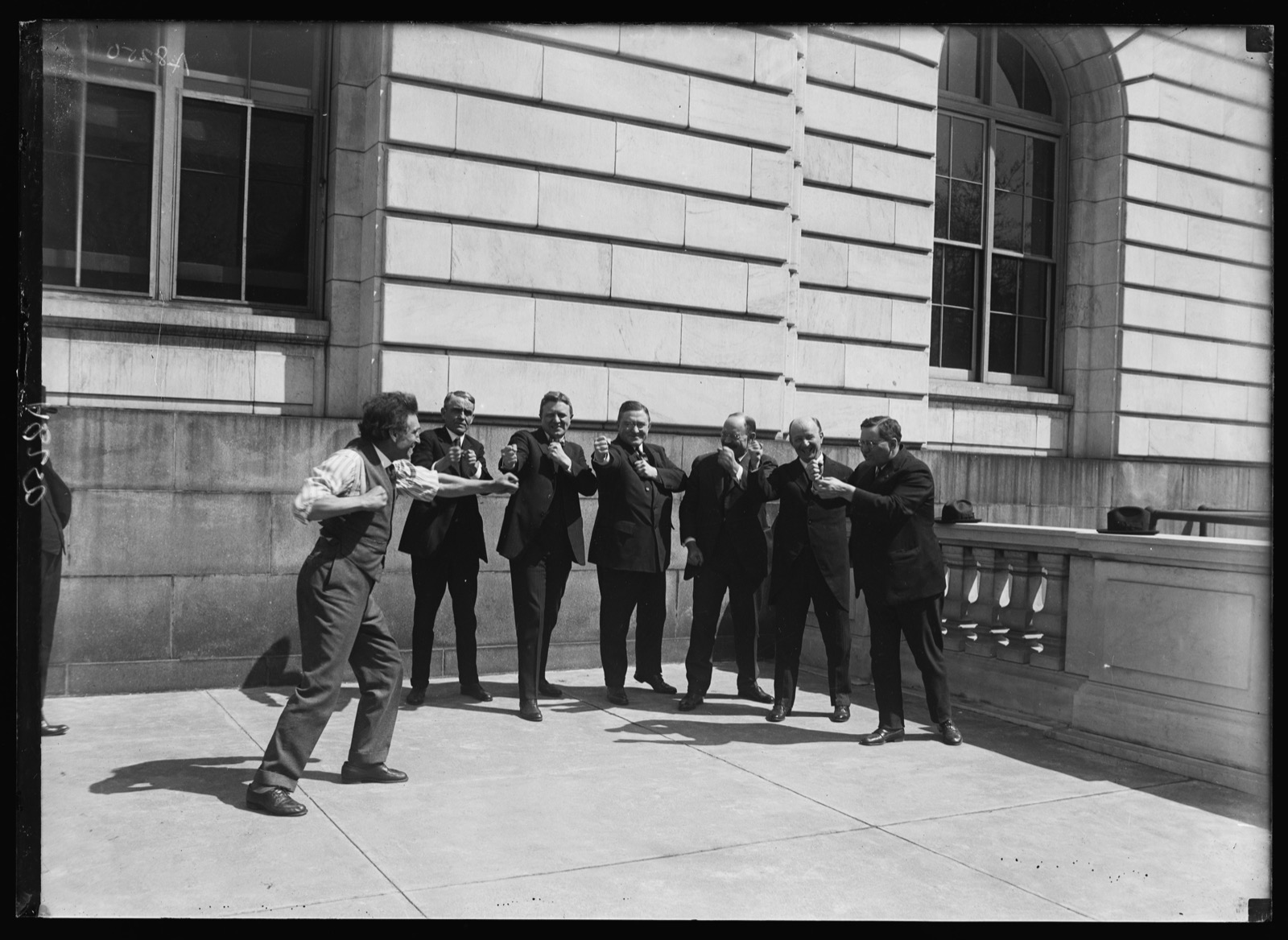
Bernarr Macfadden’s evidence was Bernarr Macfadden. Born near Mill Spring, Missouri, on 16 August 1868, he had no medical training; what he had was a muscular physique he was willing to display, a genius for publicity, and his own slogan, “Weakness is a crime.” On that he built a half-century doctrine: fasting, diet, exercise, and ‘drugless’ living cure disease and extend life. He launched the magazine Physical Development in 1898 and the more successful Physical Culture in 1899, and by 1935 his pulp publishing empire had a total of 35 million readers (Encyclopaedia Britannica). He was the movement’s promoter, theorist, and chief exhibit at once.
Cheap for everyone, sold on a name
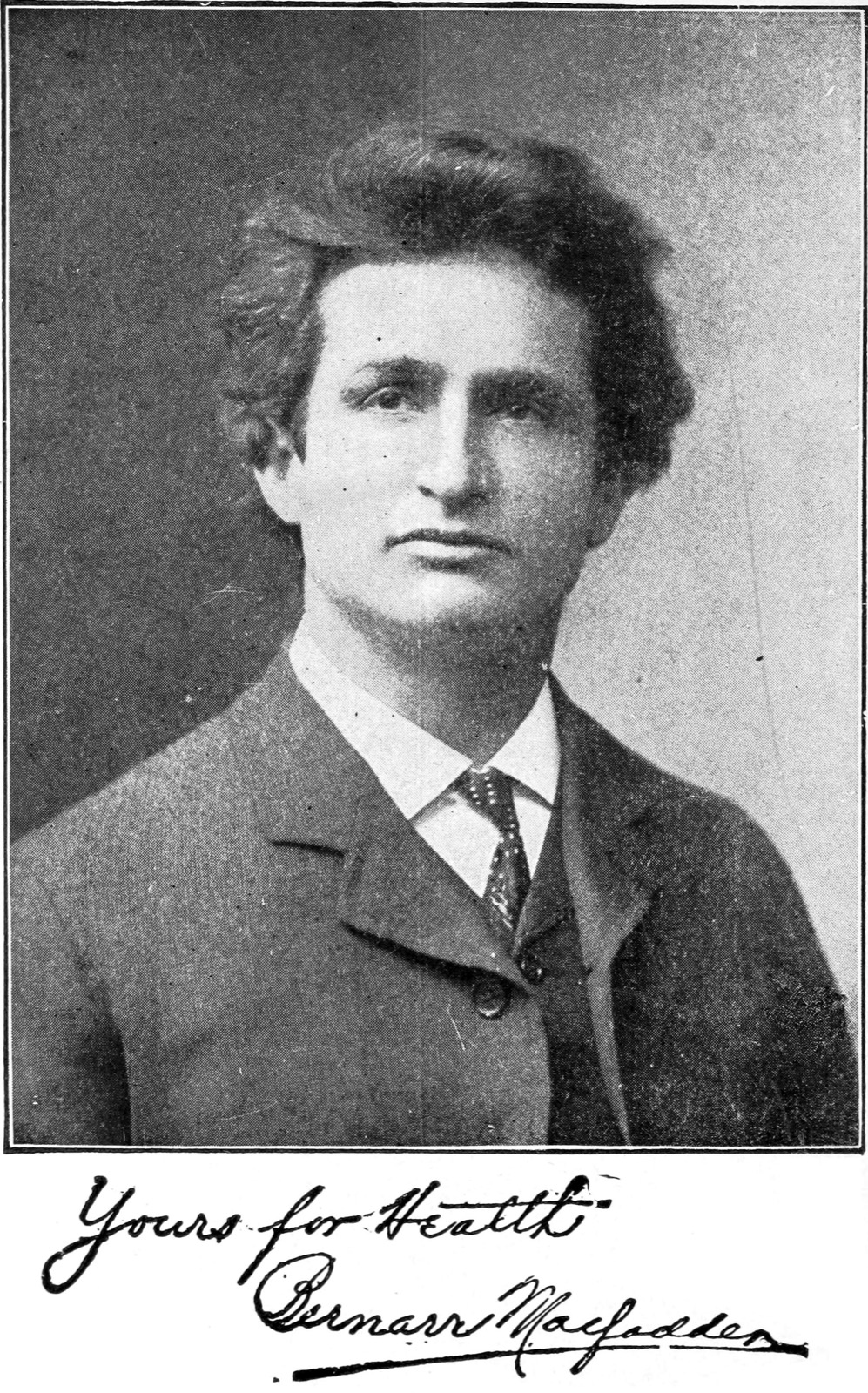
Macfadden’s regimen cost little (fasting and exercise are free; his magazines were cheap and his books ordinary trade volumes) and was pitched to a mass audience rather than sold as a private service. Macfadden used the largest popular-health publishing platform of his day to present his own body and recovery story as proof, lending the doctrine a scientific and aspirational gloss it never earned in the clinic; the platform claimed 35 million readers.
From a real effect to curing everything
The proposed mechanism was ‘nature’s remedies’: periodic fasting, restricted diet, vigorous exercise, fresh air, and hydropathy were said to let the body heal itself, expel disease, and renew its vigour without physicians or drugs. The c.1900 treatise framed fasting, hydropathy, and exercise as remedies ‘for the cure of all chronic and acute diseases,’ and the 1923 Fasting for Health offered ‘the fasting cure.’ By the early 1920s Macfadden recast the diet around the new science of vitamins (Stark 2018). The physiology was speculative and the scope unbounded: the step from a real, measurable effect (exercise and moderate diet improve fitness) to the sweeping conclusion (cure of disease in general and an extended, rejuvenated life) was asserted, not demonstrated, and no disease or mortality endpoint was specified or measured.
The doctrine paid the publisher
The conflict is authorial and commercial, and is named on the documented facts. Macfadden’s wealth and standing came from the Macfadden Publications magazine empire, which was itself the vehicle for the doctrine: the magazines that made his fortune sold the fasting, diet, and drugless-living system the case examines, beginning with Physical Culture in 1899, and he died a multimillionaire in 1955 (Encyclopaedia Britannica). A history of early-twentieth-century diet reform records that for figures such as Macfadden commercial imperatives underpinned their activities (Stark 2018). He also sold his own books and ran health resorts. The conflict named here is that the promoter’s fortune and platform depended on the continued currency of a doctrine he advanced without controlled evidence for its central disease-cure and rejuvenation claims; the case does not claim he captured every dollar those operations took in, since the resorts and the publishing house also paid staff, contributors, and suppliers.
The founder declined a doctor
Physical culture was not overturned by a single decisive experiment; like Fletcherism it splits into a surviving part and a failed part. The surviving part is the narrow surrogate: regular exercise and a moderate diet, the elements of his regimen that later mainstream public-health advice also came to emphasise, in contrast to the fasting cure. This bundle records that kernel as unreplicated rather than proven, since it cites no controlled study of the regimen, but it is the comparatively uncontroversial part. The failed part is everything built on that surrogate. The claim that fasting cures chronic and acute disease was never demonstrated by controlled outcome studies and is not accepted in medicine; the rejuvenation and extended-life claims (Stark 2018) rested on testimony and mechanism, not on measured ageing or mortality endpoints. The practical disconfirmation is Macfadden’s own death: he died in 1955, aged 87, after refusing medical treatment for a digestive disorder (Encyclopaedia Britannica), short of the exceptional longevity his system advertised and inconsistent with the disease-immunity it promised. What was disconfirmed was the leap from a real effect on a fitness surrogate to unmeasured claims about curing disease and extending life; the evidence for those claims was insufficient and is labelled insufficient.
The pattern repeats
The same structural machinery appears in different treatments and eras. These cases show the claimed mechanism and how the claim met evidence.
Jackson's Psycho Hygienic Method (Our Home on the Hillside water cure)
Hauser's "Wonder Foods" diet (Look Younger, Live Longer)
Blueprint (Project Blueprint)
More related cases · 10
Part of the lineage
Evidence · 5 sources
- Macfadden's Fasting, Hydropathy and Exercise: Nature's Wonderful Remedies for the Cure of All Chronic and Acute Diseases (1900)
- Fasting for Health: A Complete Guide on How, When and Why to Use the Fasting Cure (1923)
- Replace them by Salads and Vegetables: Dietary Innovation, Youthfulness, and Authority, 1900-1939 (2018)
- Weakness Is a Crime: The Life of Bernarr Macfadden (1991)
- Bernarr Macfadden (Encyclopaedia Britannica) (2024)