Order-energy raw-food regimen (Bircher-Benner's 'Lebendige Kraft' nutrition)
From 1904 the Zurich physician Maximilian Bircher-Benner ran a private sanatorium for the King of Siam, the Tsars of Russia, Hermann Hesse and Thomas Mann on a single idea: raw plant food carries the sun's stored energy, a thermodynamic "active force" that prevents and overcomes even incurable disease. Nutritional science never accepted the mechanism, no controlled study ever tested it, and what outlived the theory was the breakfast he invented, Birchermüesli.
The doctor who served the sun on a plate
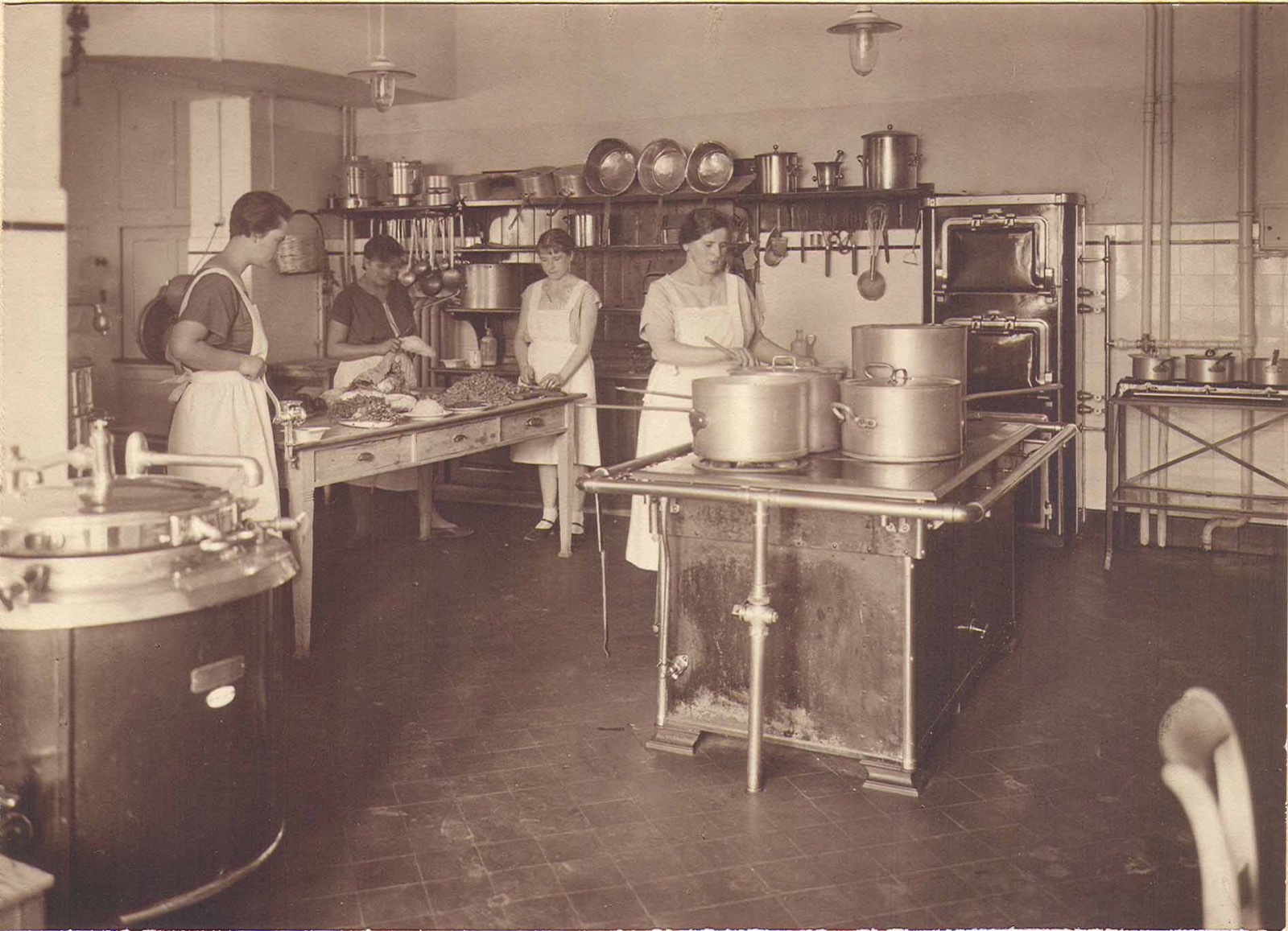
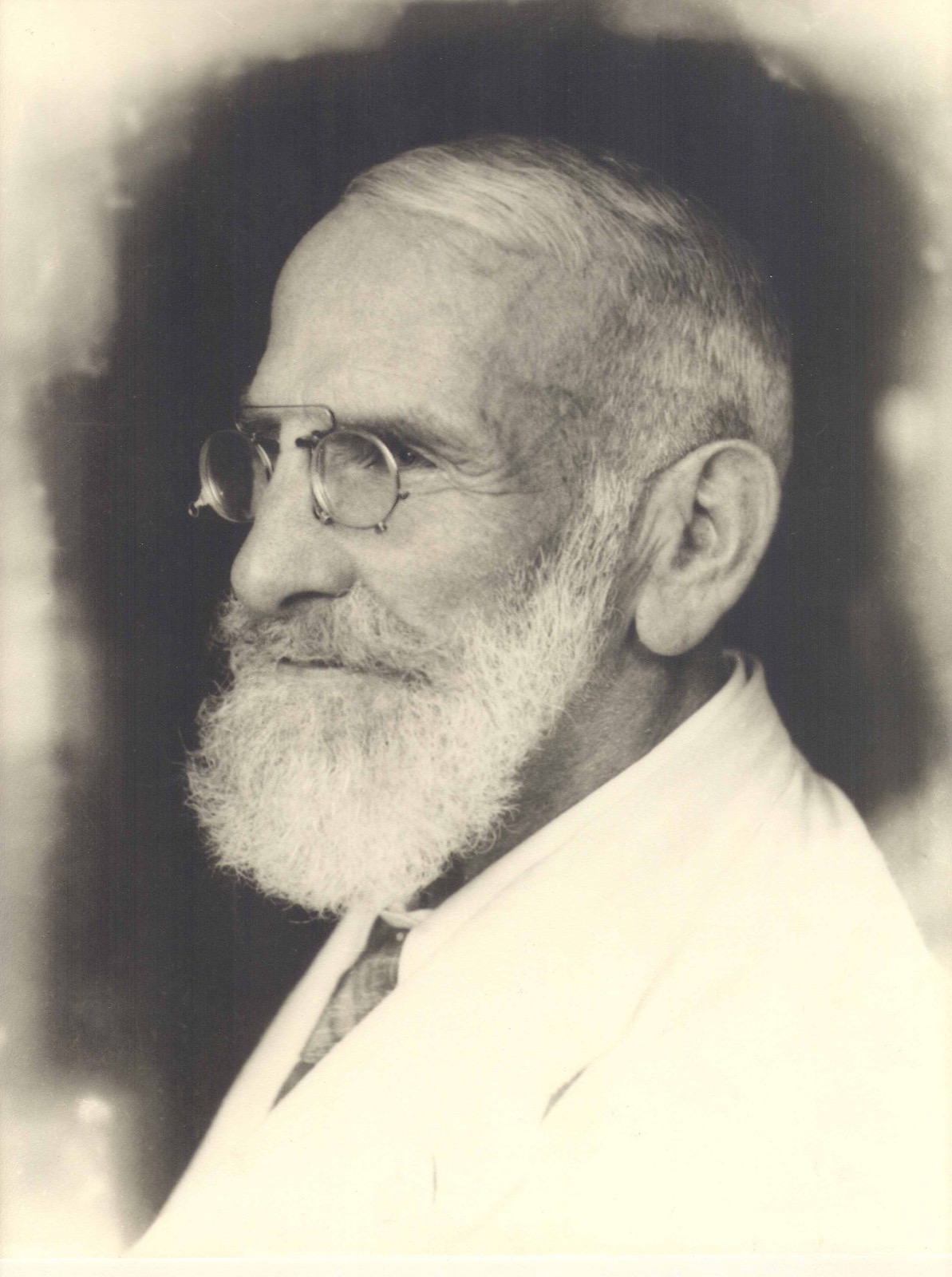
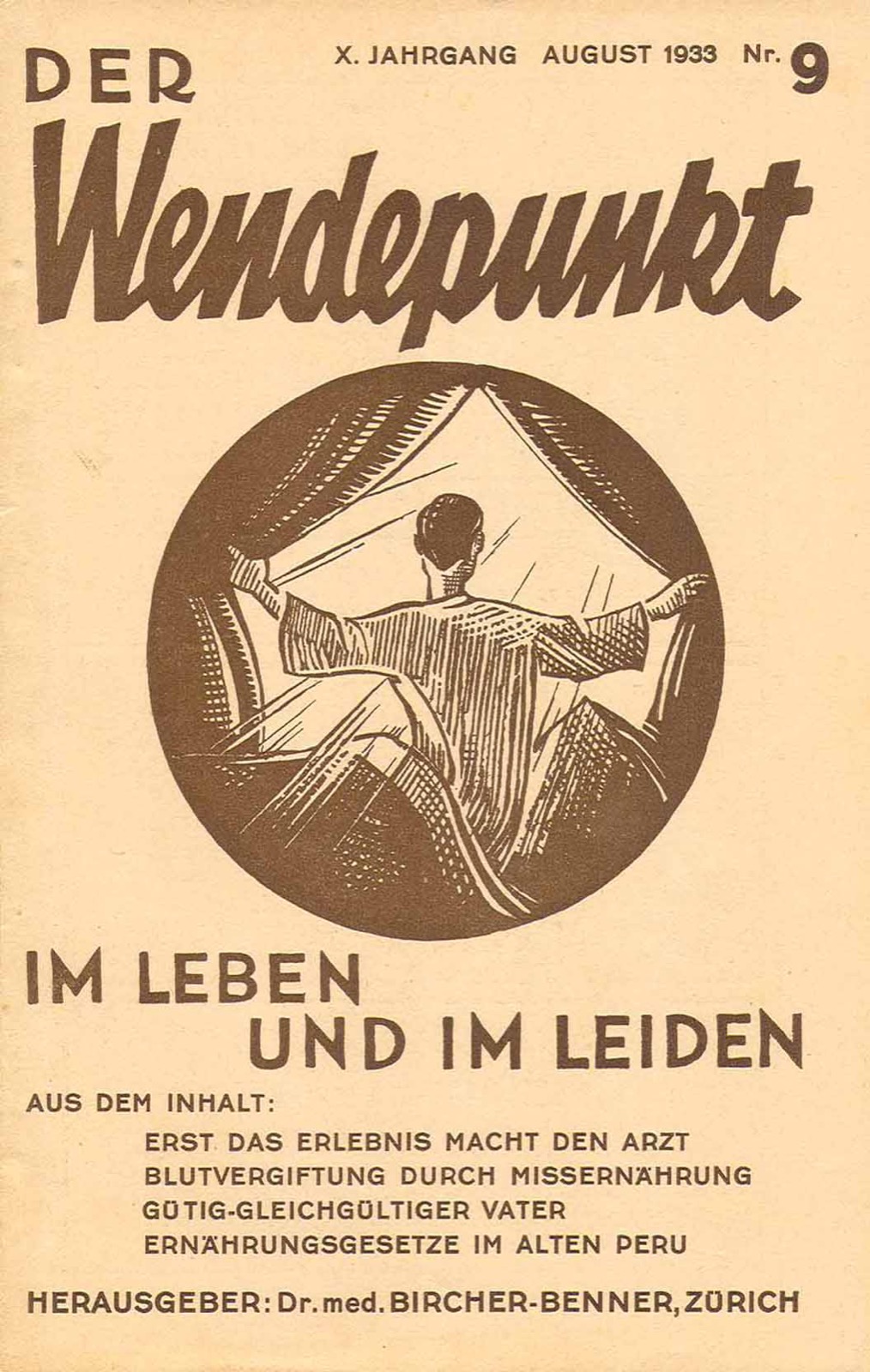
From 1904, on the wooded Zurichberg above Zurich, a Swiss physician ran a private sanatorium called ‘Lebendige Kraft’ (‘Living Force’) and fed its guests raw fruit, vegetables, and a soaked-oats-and-fruit dish he had invented, on the conviction that he was serving them the stored energy of the sun. Maximilian Oskar Bircher-Benner (1867-1939) built his authority not on a proprietary tonic but on the institution, a body of published work, and his own press. He had formulated an energetic ‘new nutrition theory’ in the first years of the century and propagated it for the rest of his life through lectures, through books with titles that read like the doctrine itself, Food science for all and a new sunlight theory of nutrition (1928) and The essential nature and organisation of food energy and the application of the second principle of thermo-dynamics to food value and its active force (1939), and through his own Wendepunkt-Verlag, which issued those books and the journal ‘Wendepunkt’. The Deutsche Nationalbibliothek records him as a proponent of natural healing and nutrition and as the inventor of Birchermüesli. The diet carried the prestige of a physician who had set himself against mainstream nutritional science, not the imprimatur of that science, which did not recognise his theory in his lifetime (swissinfo.ch 2025).
A cheap diet, an expensive door
The intervention had two faces, and the exclusivity attached to one of them. The dietary practice itself, raw fruit and vegetables, whole grains, and the soaked-oats-and-fruit dish that became Birchermüesli, was inexpensive and was broadly disseminated through Bircher-Benner’s books and his Wendepunkt press. Anyone could read it. The curative system was something you had to be admitted to: it was delivered residentially at a private sanatorium whose paying guests were drawn substantially from affluent and international circles. swissinfo.ch (2025) reports that the clinic drew an affluent clientele from the German-speaking regions of Switzerland and hosted internationally prominent guests, the examples it names including the King of Siam, the Tsars of Russia, and the authors Hermann Hesse and Thomas Mann. What commanded a premium was access to the sanatorium and the authority of its director, not the cost of raw food. This is the same split recorded for Hufeland’s macrobiotics and Metchnikoff’s sour milk, where the base regimen was cheap and the monetized asset was the practitioner’s standing and clientele.
Food as bottled sunlight
The mechanism was an energetic, vitalist account of nutrition. Green plants store the sun’s energy, Bircher-Benner held, and raw plant food therefore carries the highest charge of living solar energy (‘Sonnenlichtnahrung’); humans are nourished by this stored light, not merely by calories. He recast the value of a food as its energetic ‘active force’, discussed in the language of the second principle of thermodynamics, and arranged foods in a hierarchy of ‘order’ with raw plant food at the top and cooked or processed food at the bottom. Eating high in this order was said to strengthen the body’s living force (‘Lebendige Kraft’) and to prevent and help to overcome disease, including disease he called incurable (the promise stated in his own title The prevention of incurable disease, 1938). No endpoint was measured. The claim was mechanism-only: it inferred curative power from a posited energy that ordinary food chemistry does not recognise, supported by clinical impression at the sanatorium and by the health-reform ideology historians describe as a ‘moral physiology’ (Meyer-Renschhausen and Wirz, Medical History 1999). The step from a non-measurable food ‘active force’ to a measured effect on disease was asserted, not demonstrated.
The man who owned the clinic and the press
The conflict is the developer-vendor pattern in a residential and publishing form, and is named on the documented facts rather than as a conclusory framing. Bircher-Benner owned and operated the private Sanatorium ‘Lebendige Kraft’ from 1904, the institution that applied and charged for his regimen (Wolff, ed., Lebendige Kraft, Swiss National Museum, 2010; swissinfo.ch 2025), and he ran his own publishing imprint, the Wendepunkt-Verlag, through which his books and the journal ‘Wendepunkt’ were sold (Deutsche Nationalbibliothek catalogue). A physician thus advanced an unestablished energetic theory of nutrition while earning his living from the sanatorium that applied it and the press that promoted it. The characterization is held to direct financial interest, not sole benefit: a residential clinic and a publishing house also pay staff, lodging, suppliers, and production costs, so the documented fact is a direct and continuing interest in the doctrine’s success, not that he was the only party who profited.
The diet outlived the theory
Bircher-Benner’s system was not overturned by a single decisive experiment, as Mesmer’s was by the 1784 royal commission; its energetic mechanism was rejected by the science of nutrition and then abandoned, while a part of the dietary practice was absorbed without it. Three strands record the disconfirmation. First, the mechanism was never accepted: contemporary official medicine did not recognise his nutrition theory (swissinfo.ch 2025), and nutritional science accounts for nourishment by energy and specific nutrients, not by a living ‘sunlight’ charge that raw food carries and cooking destroys or by a thermodynamic hierarchy of food ‘active force’. Second, the evidence was never sufficient: no controlled human outcome study measured an effect of the regimen on chronic-disease incidence, and historians read the vegetarian doctrine as a reform ideology, a ‘moral physiology’, rather than as validated science (Meyer-Renschhausen and Wirz, Medical History 1999). Third, what survived was the practice, not the theory: raw fruit and vegetables and Birchermüesli persisted and, since the 1980s, came to be regarded as an emblem of healthy, natural eating (swissinfo.ch 2025), stripped of the energetic claims that were meant to explain their power. Bircher-Benner died in 1939 at the age of 71. As with Hufeland and Metchnikoff, what was disconfirmed was the vitalist mechanism and the specific disease-prevention claim, not the harmless and partly sound dietary advice attached to it.
The pattern repeats
The same structural machinery appears in different treatments and eras. These cases show the claimed mechanism and how the claim met evidence.
Kneipp Cure (hydrotherapy, herbalism, and the 'five pillars')
Hauser's "Wonder Foods" diet (Look Younger, Live Longer)
Bennett's rejuvenation system (muscular contractions and self-massage)
More related cases · 11
Part of the lineage
Evidence · 7 sources
- Food science for all and a new sunlight theory of nutrition (Bircher-Benner, 1928) (1928)
- The essential nature and organisation of food energy ... the second principle of thermo-dynamics ... and its active force (Bircher-Benner, 1939) (1939)
- The prevention of incurable disease (Bircher-Benner, 1938) (1938)
- Dietetics, health reform and social order: vegetarianism as a moral physiology. The example of Maximilian Bircher-Benner (1867-1939) (1999)
- Lebendige Kraft: Max Bircher-Benner und sein Sanatorium im historischen Kontext (Wolff, ed., 2010) (2010)
- Deutsche Nationalbibliothek GND authority record: Max Bircher-Benner (GND 118663348) (2026)
- Birchermüesli: from cure to cult (SWI swissinfo.ch, 2025) (2025)