Voronoff testicular xenograft (chimpanzee-to-human)
On 12 June 1920 Serge Voronoff sewed slices of chimpanzee testicle under a man's scrotal skin and sold it across Europe as a cure for old age, drawing the tissue from the private monkey colony he owned. He never measured a hormone. Immunology later showed the graft is rejected within days to weeks, testosterone was isolated in 1935 with no such effect, and Kenneth Walker's 1952 review rated it no better than vaso-ligature.
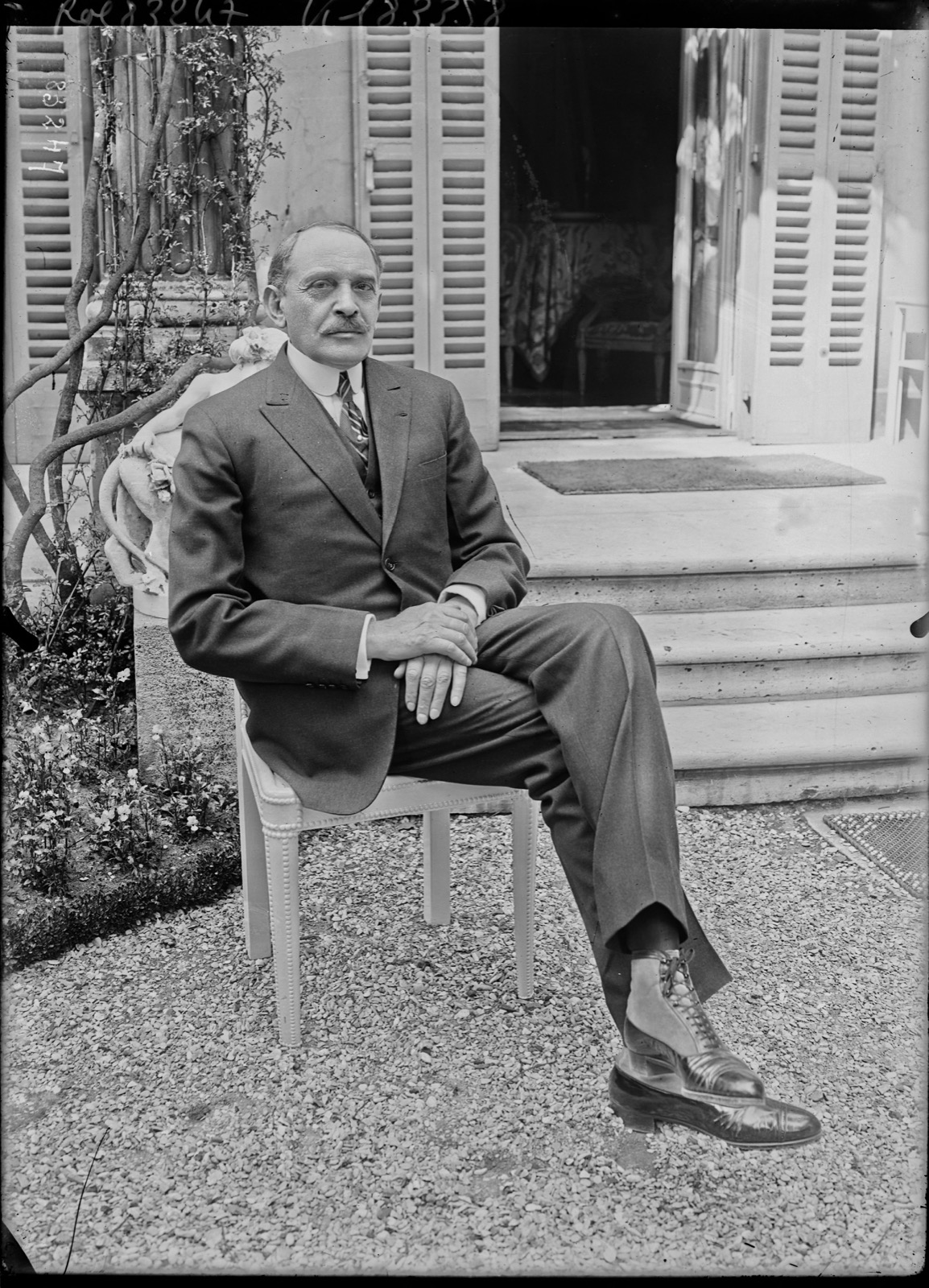
The surgeon who grafted monkey into man
On 12 June 1920, in Paris, Serge Voronoff cut thin slices from the testicle of a chimpanzee and sewed them into a pocket beneath an ageing man’s scrotal skin, alongside the man’s own testis. It was the first time chimpanzee tissue had been grafted into a human for this purpose, and Voronoff offered it as nothing less than a way to turn back old age.
He had the training to be believed. Voronoff (1866-1951) was a Russian-born French surgeon, naturalized French in 1895, who had studied in Paris under Alexis Carrel, the 1912 Nobel laureate for the vascular suture and organ transplantation. Through the 1900s and 1910s he held positions in surgical research, and from 1917 he grafted tissue between sheep, goats, and cattle, working between Paris and a private estate at Grimaldi near Menton, on the French Riviera. By the time he reached human recipients, his standing as a serious laboratory surgeon was the thing that carried the claim. His public profile through the 1920s rested on that combination of formal credentials, relentless international promotion, and a personal residence at Château Grimaldi beside his own colony of monkeys.
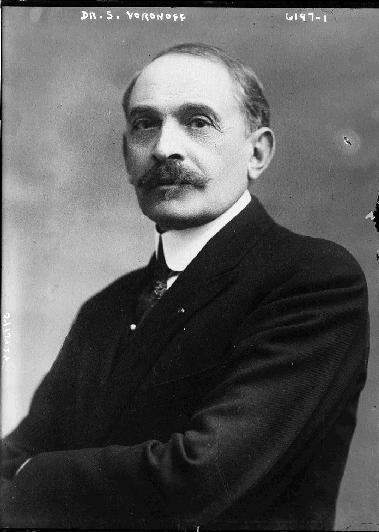
A monkey, a theatre, and a price only the rich could pay
The procedure required access to live chimpanzees (Voronoff maintained a private primate colony at Grimaldi), to a surgical theatre, and to a private postoperative facility. It was offered at the top of the European medical market through a network of partner surgeons across France, Italy, and several other countries. By the mid-1920s Voronoff estimated he had performed ‘over 1,000’ procedures worldwide; modern historical estimates place his personal total in the low hundreds and worldwide totals (counting imitators) at 1,000-2,000 between 1920 and the late 1930s. Voronoff’s own published case material identifies patients only by initials and occupation; the named patients commonly cited in popular accounts (Harold F. McCormick of International Harvester, an unnamed Brazilian prime minister) are not securely documented in primary medical literature and are treated here as unconfirmed.
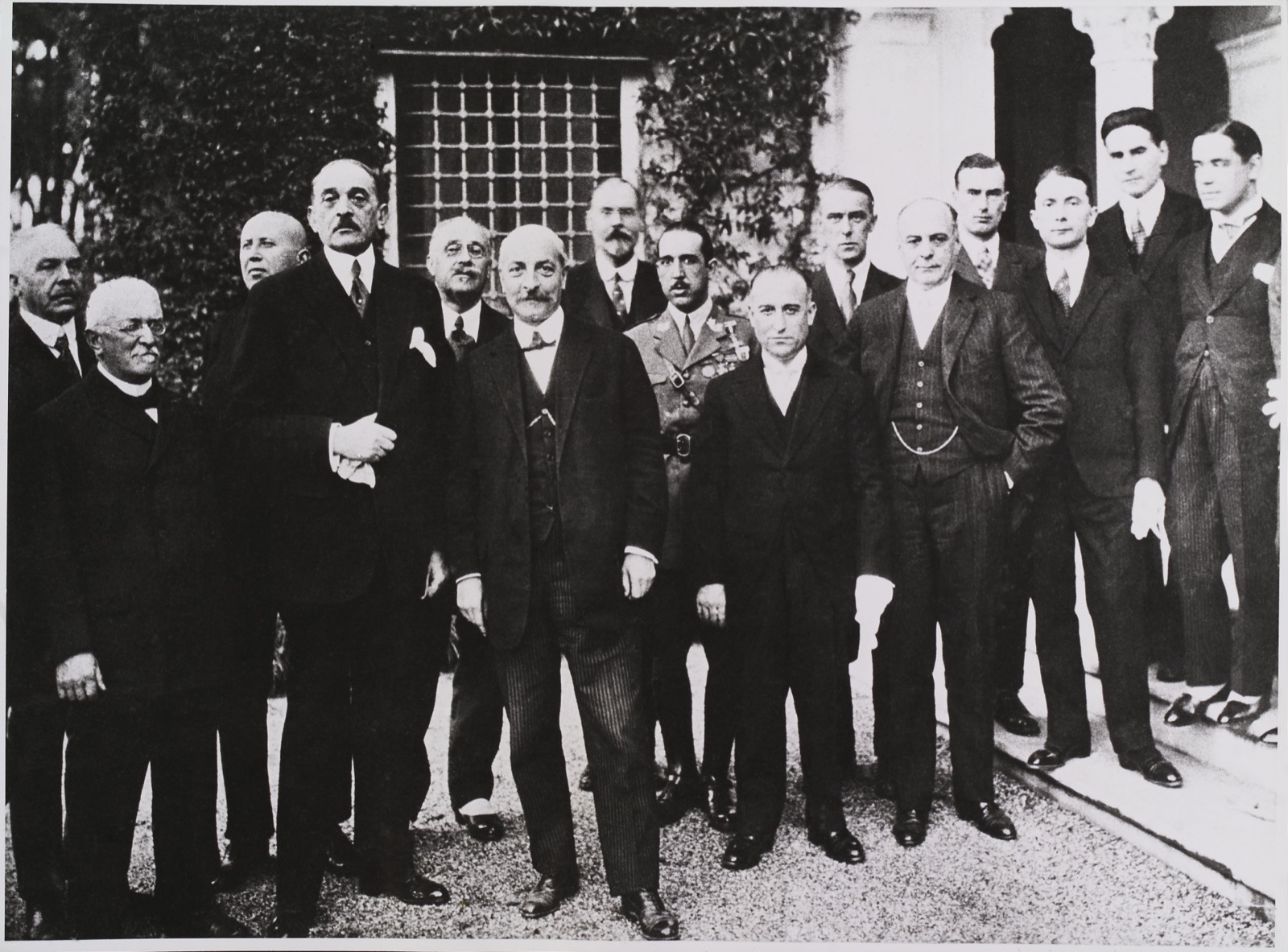
The graft that was supposed to take root
Voronoff claimed that thin slices of chimpanzee testicular tissue, surgically implanted under the scrotal skin of a human recipient, would integrate with the host tissue and provide a long-term endocrine and cellular stimulus that would reverse the effects of senescence. The mechanism rested on a pre-immunological understanding of cross-species tissue transfer. Modern immunology makes the central claim biologically untenable: xenografted primate tissue is rejected by the human immune system within days to weeks, and no integration or sustained endocrine contribution from the graft is biologically possible. Voronoff did not measure circulating androgen levels or any objective endocrine outcome; he reported on patient self-assessment, libido, hair growth, weight, and surgeon observation.
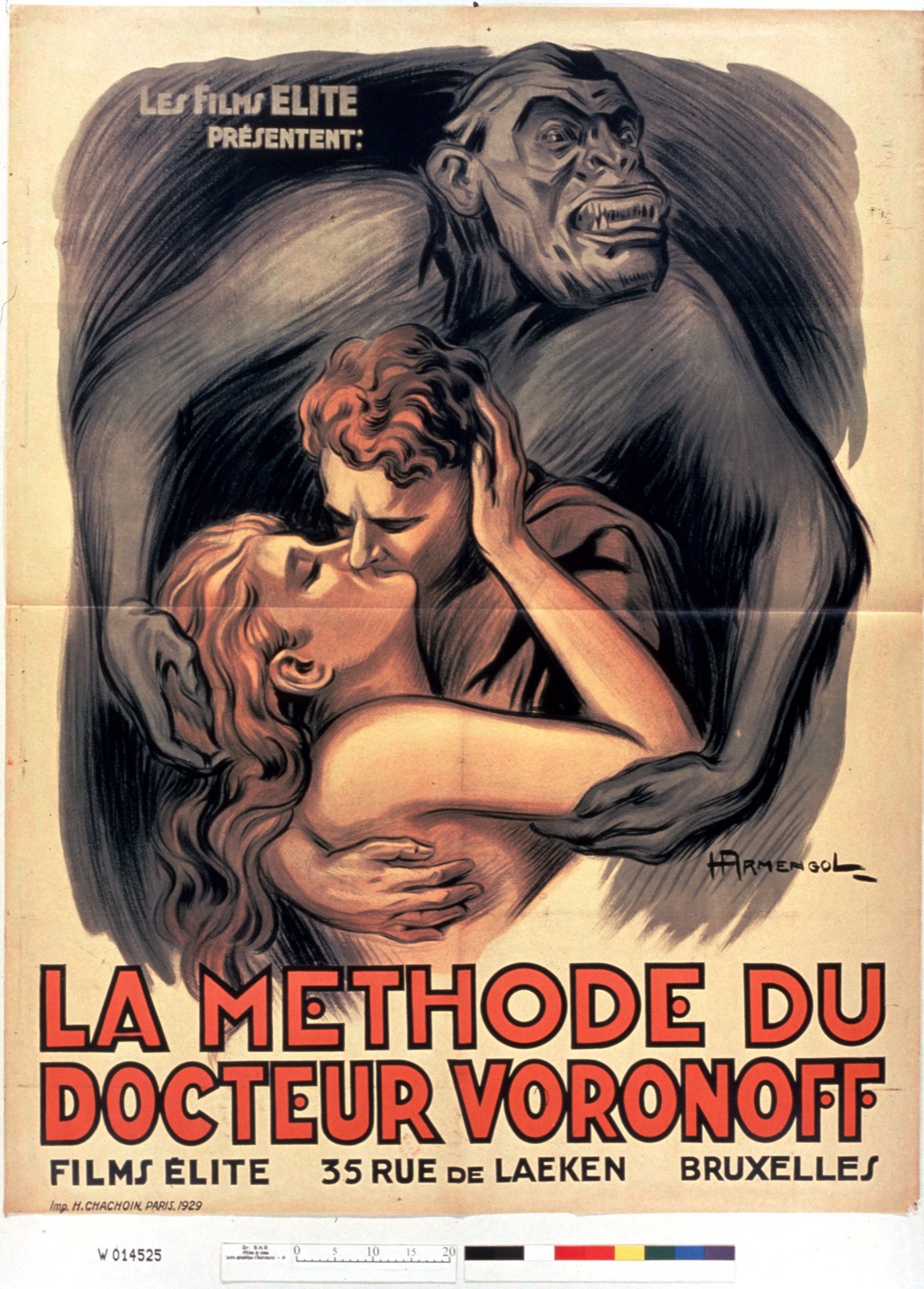
One man at every point of sale
Voronoff was the developer of the procedure, the principal vendor, and the owner of the Grimaldi primate colony from which surgical material was sourced. He licensed the protocol to partner surgeons across Europe and generated both per-procedure income and license fees. His books (Life: A Study of the Means of Restoring Vital Energy and Prolonging Life, Allen & Unwin, 1920; Rejuvenation by Grafting, Allen & Unwin, 1925; Étude sur la vieillesse et le rajeunissement par la greffe, Doin, 1926) provided additional revenue and functioned as marketing material. He published no controlled outcome trial and no adverse-event registry. The developer-vendor-credentialing-author identity was concentrated in a single individual.
How the body gave it away
By the mid-1930s the procedure had fallen out of mainstream surgical practice. The disconfirmation was cumulative rather than driven by a single landmark trial: emerging immunology demonstrated rapid rejection of xenogeneic tissue; emerging endocrinology demonstrated that purified androgen preparations (testosterone isolated 1935) did not produce the dramatic rejuvenation effects Voronoff had reported; and natural-cause deaths of treated patients within normal life expectancy provided no evidence of life extension. The British surgeon Kenneth Walker’s 1952 retrospective placed the results ‘no better than those obtained from vaso-ligature and probably very little, if at all, superior to the rejuvenation results of our predecessors, the magicians and witches.’ Subsequent scholarly review (Bajic et al, Xenotransplantation 2012) has reassessed the historical record and clarified that Voronoff’s xenografts were not biologically integrated and did not cause the modern HIV epidemic (a popular misconception).
The pattern repeats
The same structural machinery appears in different treatments and eras. These cases show the claimed mechanism and how the claim met evidence.