Cellular therapy (Frischzellentherapie)
In 1931 the Swiss surgeon Paul Niehans injected a dying patient with cells from a freshly killed calf, reported recovery, and opened Clinique La Prairie to sell lamb-fetus organ tissue as rejuvenation. The claimed organ-specific migration was never demonstrated, and Swiss authorities later reported no scientific evidence of efficacy, substantial health risks, and no authorized fresh-cell products or procedures.
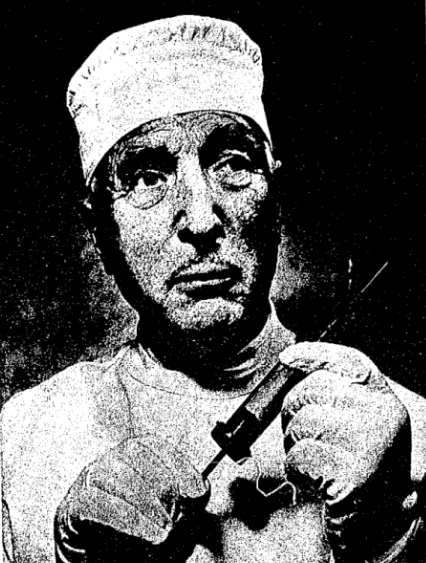
The surgeon the Pope called to his bedside
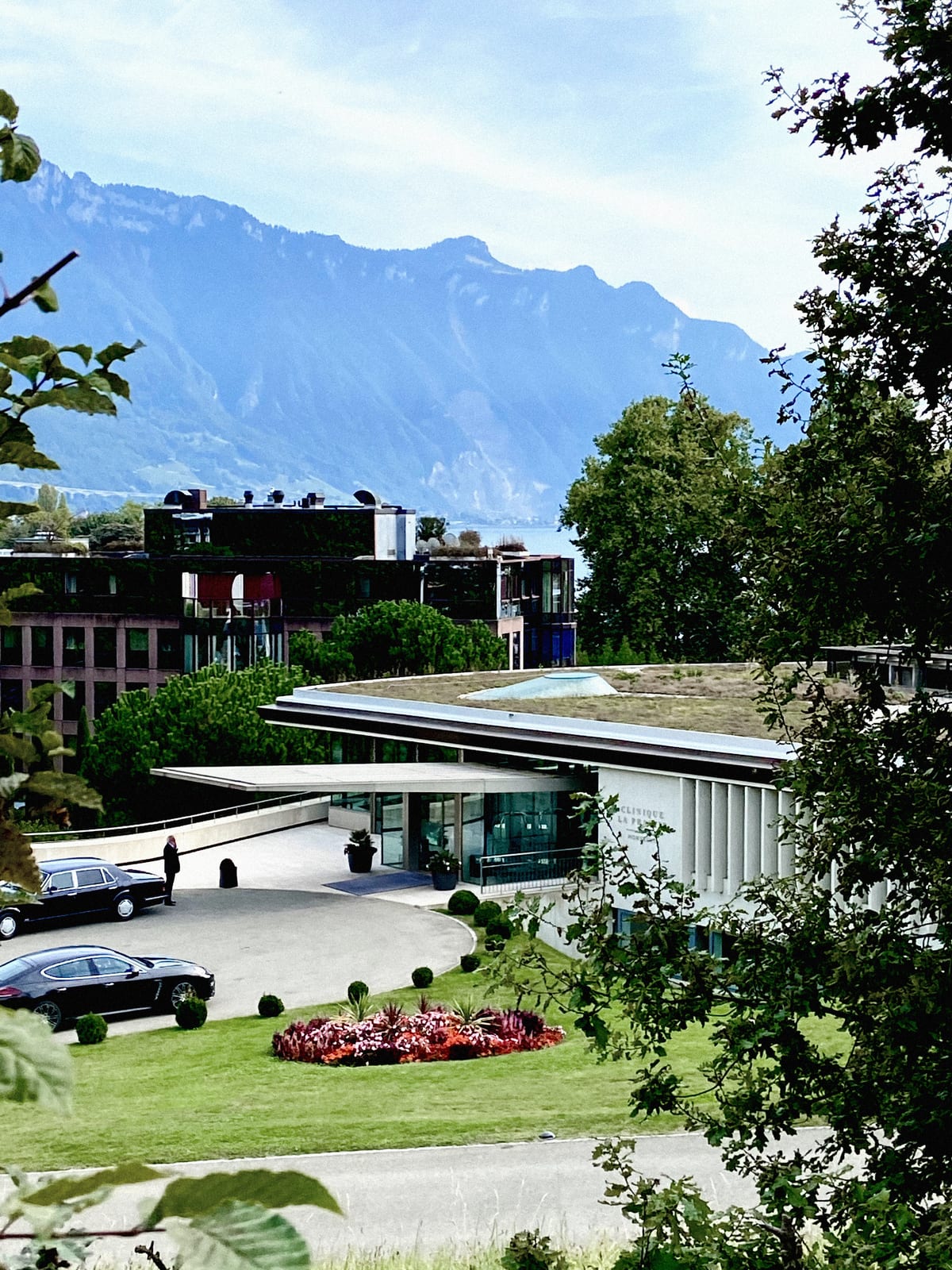
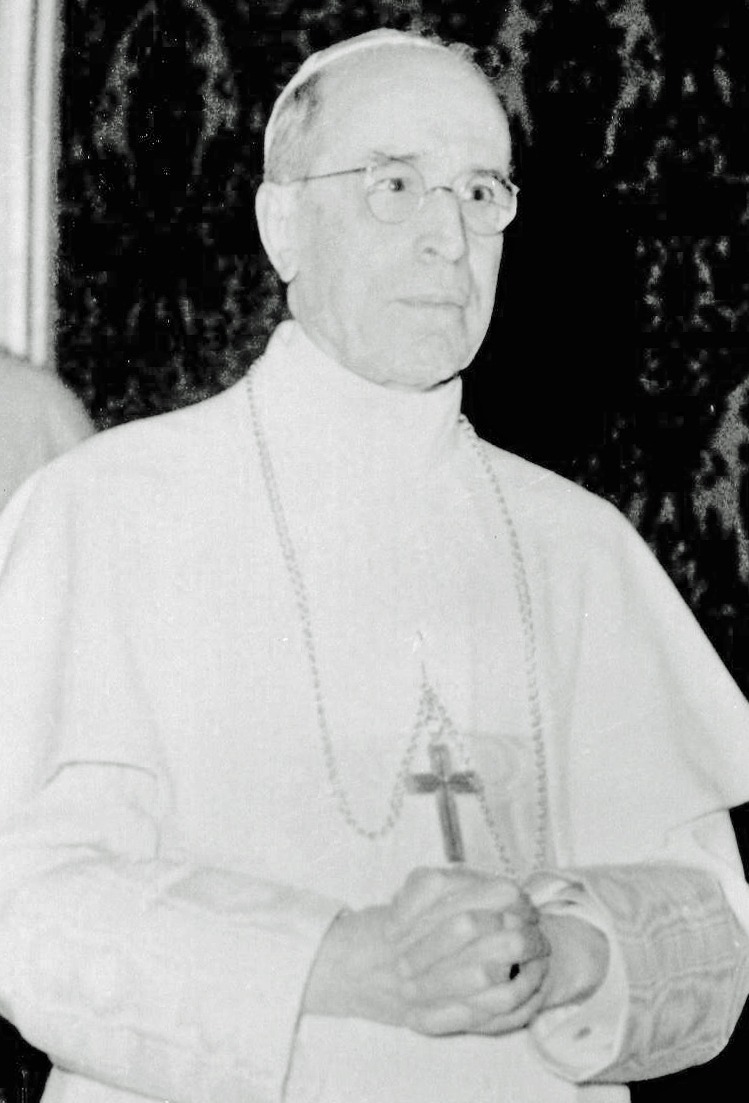
In 1931 Paul Niehans was handed a thyroid operation that had gone wrong: the surgery had inadvertently removed the patient’s parathyroid tissue, and the patient was failing. Niehans cut parathyroid material from a freshly killed calf, macerated it, injected it, and reported that the patient recovered. That same year he opened Clinique La Prairie at Clarens, on Lac Léman, and began offering this ‘cellular therapy’ to private clients. He was a Swiss surgeon (1882-1971), trained in Bern and Zurich and in private practice since the early 1920s, but the credential that would set him apart from the period’s other rejuvenation operators came in 1954, when he treated Pope Pius XII during the pope’s grave illness at the Vatican. In 1955 Pius XII appointed him to the Pontifical Academy of Sciences. Swiss surgical credential, a papal patient, and an Academy seat: that combination, not any trial result, is what gave the practice its standing.
A clinic you reached by referral, not appointment
Treatment was offered only at Clinique La Prairie under personal referral. Patient population was a defined elite: heads of state, industrialists, royalty, and entertainers. The one patient reliably documented in independent historical sources is Pope Pius XII (treated during his grave illness in 1954). The other names most commonly cited in the clinic’s reputation rest on clinic marketing and popular accounts rather than independent documentation, and are treated here as attributed but undocumented: Chancellor Konrad Adenauer (Federal Republic of Germany), Charlie Chaplin, Gloria Swanson, Winston Churchill, Haile Selassie, and Emperor Hirohito. Somerset Maugham is also named in popular accounts but has no documentary linkage to Niehans in primary sources. The clinic published no efficacy trial data during Niehans’s lifetime. Admission was gated by referral, price, and discretion. Niehans treated no controlled cohort; each patient encounter was a private clinical service rather than a recorded experiment.
Cells that were supposed to know where to go
Niehans claimed that cells from a specific organ of a freshly killed lamb fetus, when injected into a patient, would migrate selectively to the corresponding organ in the recipient and restore its function. Neither Niehans’s book nor subsequent controlled evidence demonstrated selective migration, durable integration, or restoration of the corresponding human organ. Niehans did not propose a controlled mechanism. His book Introduction to Cellular Therapy (Pageant Books, New York, 1960) presented case descriptions and theoretical justification without controlled outcome data, statistical methodology, or independently-verified clinical endpoints. The mechanism remained vague throughout his career.
What the lamb-fetus injection was worth to him
Niehans was the clinic operator, the treatment developer, and the sole physician administering the protocol for the duration of his career. Revenue depended on continued patronage. The clinic charged at the top of the European medical market and admitted only paying private patients. Niehans published no peer-reviewed efficacy data and ran no controlled trial of his own work. The 1955 Pontifical Academy appointment substituted institutional credibility for clinical evidence and was used in marketing during his lifetime and after. Niehans did not publish conflict-of-interest disclosures with his clinical accounts; the financial structure of his practice is reconstructible from his clinic-operator role and from his published books rather than from formal disclosures.
What the evidence never showed
Niehans’s claims have never been supported by a controlled trial. In 2015 Swissmedic and the Swiss Federal Office of Public Health reported that fresh-cell therapy had no scientifically demonstrated efficacy and posed substantial risks, including hypersensitivity, injection-site abscess and sepsis, zoonotic infection, autoimmune disease, and reported deaths. The authorities said no relevant Swiss marketing, manufacturing, or use authorization had been granted; live animal-cell procedures were regulated as xenotransplantation and required federal authorization. The sources attached to this case do not establish a present continuation of Niehans’s fetal-cell protocol, so the modeled intervention ends with his 1971 death rather than treating a surviving clinic name as proof of continuity.
The pattern repeats
The same structural machinery appears in different treatments and eras. These cases show the claimed mechanism and how the claim met evidence.
Hauser's "Wonder Foods" diet (Look Younger, Live Longer)
Blueprint (Project Blueprint)
Spermin-Poehl (Sperminum-Poehl) organotherapy
More related cases · 10
Part of the lineage
Evidence · 6 sources
- Introduction to Cellular Therapy (1960)
- Pope's Doctor (Time magazine feature on Paul Niehans) (1952)
- Measures against illegal fresh-cell therapy offers and unauthorized fresh-cell preparations (2015)
- Pius XII appointment of Paul Niehans to the Pontifical Academy of Sciences (1955) (1955)
- Photograph of Clinique La Prairie, Clarens (c. 1958) (1958)
- Clinique La Prairie, Montreux, photographed by Robbie Conceptuel (2021)