Krebiozen Cancer Treatment
In 1951 Andrew Ivy, a Nuremberg Code co-author and by his own account probably the most famous doctor in the country, announced a secret horse-blood cancer drug, Krebiozen, on the strength of 22 uncontrolled cases. His name kept it in use for fifteen years. Four reviews refuted it: the AMA (1951), the NCI (1963), and the FDA (1963), which found the vials held creatine in mineral oil, and the American Cancer Society in 1973.
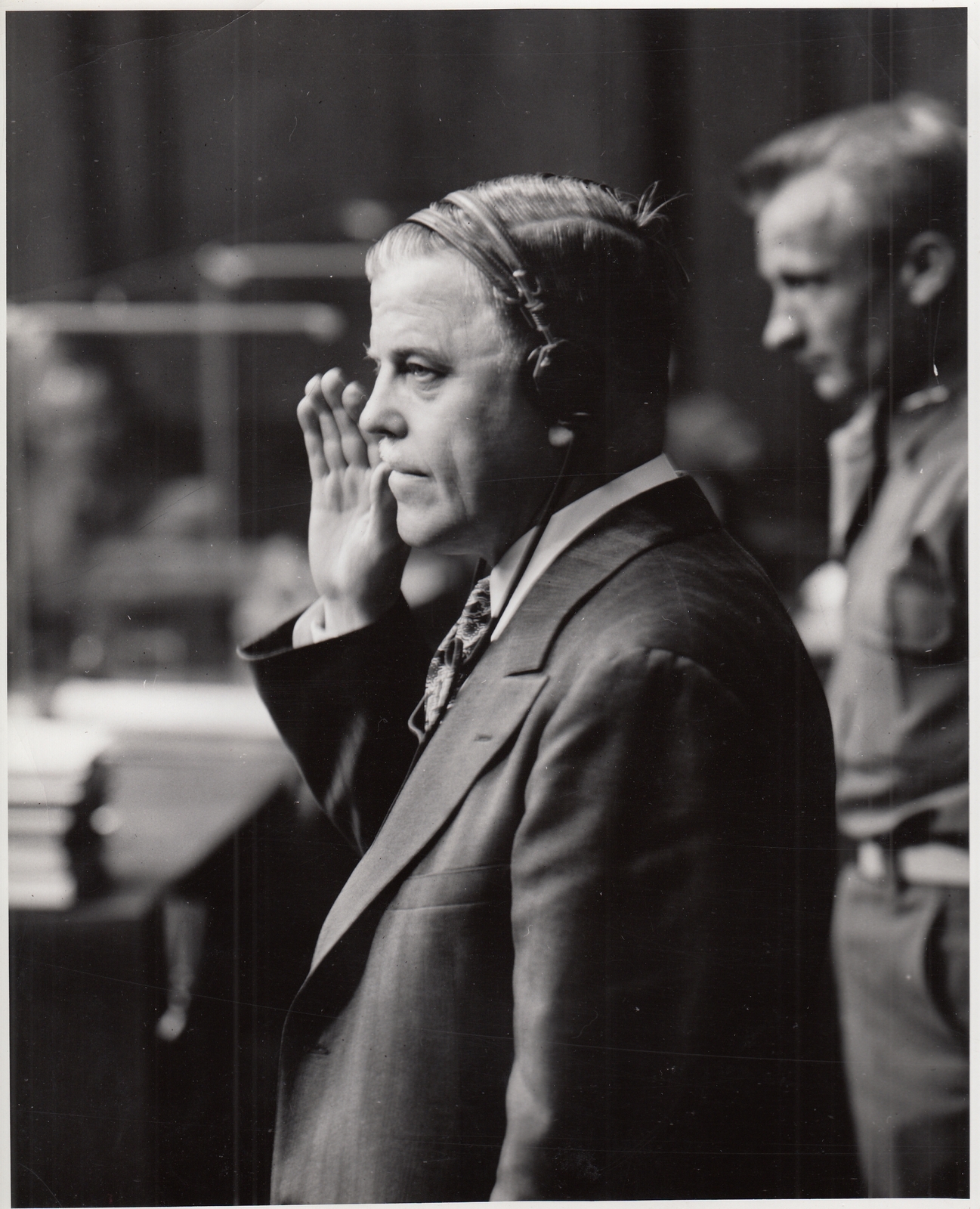
The most famous doctor in the country
In 1946 Andrew Conway Ivy advised the Nuremberg prosecutors on medical ethics and helped write the code that bears the city’s name. By his own later account, cited in Gale’s Missouri Medicine retrospective (PMID 38144930), he was at that point ‘probably the most famous doctor in the country.’ He had chaired physiology and pharmacology at Northwestern from 1926 to 1945, led the American Physiological Society (1939–1941), discovered cholecystokinin and urogastrone, and was simultaneously Vice President of the University of Illinois, overseeing its colleges of medicine, dentistry, pharmacy, and nursing. Three years later a stranger arrived in Chicago with a flask of horse serum, and it was exactly that accumulated credibility (institutional, scientific, and ethical) that would carry it. Ivy was not a fringe figure but the prototype of the credentialed scientific insider whose endorsement the medical establishment could not easily dismiss.
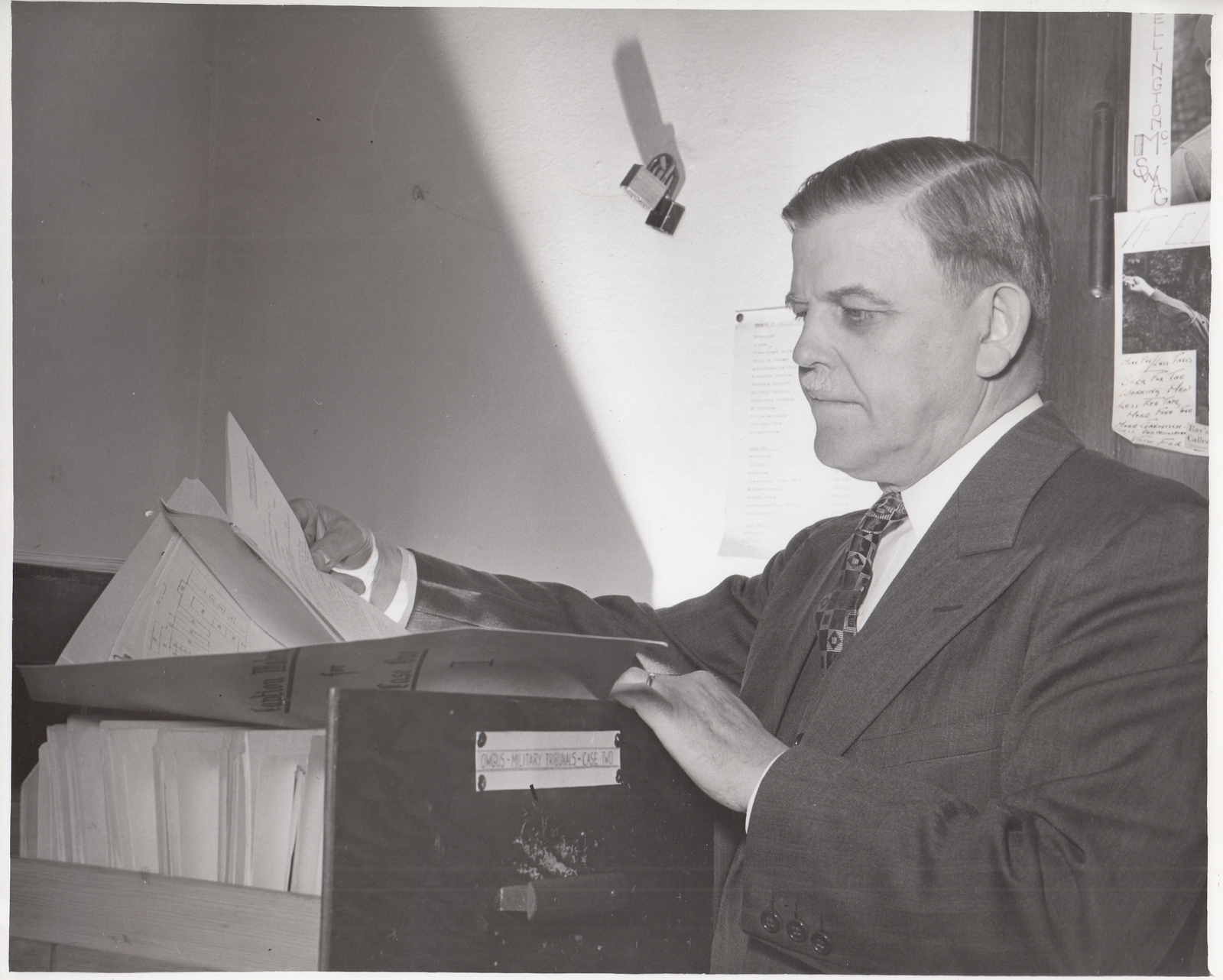
A flask of horse serum, formula withheld
In 1949, Stevan Durovic, a Yugoslav physician who had emigrated to Argentina, brought a substance he called Krebiozen to Andrew Ivy in Chicago. Durovic described it as derived from the blood of Argentinean horses inoculated with Actinomyces bovis and claimed it contained a naturally occurring anti-cancer factor (Schwarcz, McGill OSS, 2017). The composition was not disclosed to the AMA or to independent investigators throughout the 1950s. The Krebiozen Research Foundation, on whose board Ivy served and later presided, controlled the drug’s supply and distribution. Patients received Krebiozen through physicians affiliated with the Foundation at a charge of $9.50 per dose, collected as a ‘contribution’ (Schwarcz, 2017). The secrecy around the formula was defended on the grounds of patent protection, but it prevented independent chemical verification for over a decade.
‘Enzyme analysis’ and a substance no one else could make
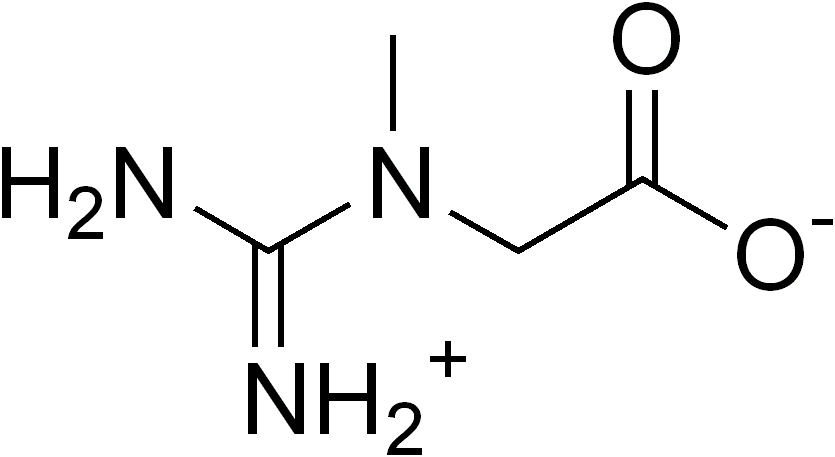
Ivy presented Krebiozen’s anti-cancer action using what he called ‘enzyme analysis’: uncontrolled clinical observations that he argued showed objective tumor responses correlated with the drug’s administration (Ivy, Science 1951, PMID 14866224). He did not propose a specific molecular target or biochemical pathway. The mechanism was framed broadly as the body’s own defenses being activated by a naturally occurring equine substance. Durovic’s claim that only horses exposed to Actinomyces bovis possessed this anti-cancer factor imposed biological plausibility without a testable mechanism: no researcher outside the Foundation could independently produce the substance, verify its derivation, or reproduce the claimed responses. The AMA found in October 1951 that Ivy’s enzyme-analysis results did not hold up under scrutiny (JAMA 1951, PMID 14873580). The mechanism claim was resolved chemically in 1963: the FDA found the vials contained creatine monohydrate in mineral oil, a composition whose anti-cancer mechanism was never proposed by anyone because creatine has no established anticancer activity (CA Cancer J Clin 1973, PMID 4196527).
Advocate, investigator, and president of the foundation
Ivy served on the board and later as president of the Krebiozen Research Foundation, the entity that distributed the drug and collected per-dose contributions from patients, while also acting as the drug’s principal scientific advocate and conducting the clinical observations he presented as evidence of efficacy. He held these roles without contemporaneous public disclosure of his board membership in the Foundation. The 1964 federal indictment (Langer, Science 1964, PMID 17810142) included financial fraud counts alongside drug-mislabeling charges; Ivy and the Durovic brothers were acquitted of all counts in January 1966. According to Schwarcz (McGill OSS, 2017), the proponents ‘had transplanted their millions to Swiss banks’ by the time of the acquittal. Stevan and Marko Durovic subsequently faced separate federal tax evasion charges, and Stevan Durovic left the United States following the acquittal.
Four verdicts, and a jury that acquitted anyway
Disconfirmation came through four independent channels, each of which Ivy disputed. In October 1951 the AMA published its status report (JAMA, PMID 14873580) finding Ivy’s 22 cases too incomplete and uncontrolled to support efficacy claims; several patients Ivy had counted as improved had died of cancer. In 1963, the National Cancer Institute organized an expert committee to review the 504 cases submitted by the Durovic brothers; the committee found no antitumor activity. In that same year the FDA analyzed submitted samples and found creatine monohydrate in mineral oil, with some vials containing only mineral oil (CA Cancer J Clin 1973, PMID 4196527), a finding that formed the basis for the July 1963 ban on interstate distribution. In December 1964, Ivy and the Durovic brothers were indicted on 49 counts. The eight-month trial in 1965 featured nearly 200 witnesses recounting personal accounts of cancer remission (Sharfstein, Milbank Q 2017, PMID 28378412); the jury acquitted in January 1966, finding the prosecution had not proved knowing fraud. The acquittal ended the criminal proceeding but did not rehabilitate Krebiozen scientifically. The American Cancer Society formally classified both Krebiozen and Carcalon as unproven cancer methods in 1973 (PMID 4196527), the same year Illinois banned their sale. Ivy eventually severed his formal ties with Durovic after the acquittal (Gale, Missouri Medicine 2023, PMID 38144930).
The pattern repeats
The same structural machinery appears in different treatments and eras. These cases show the claimed mechanism and how the claim met evidence.
Electronic Reactions of Abrams (ERA)
Antireticular cytotoxic serum (ACS / ATsS)
Radithor
More related cases · 7
Part of the lineage
Evidence · 12 sources
- "Who will bell the cat?" Andrew C. Ivy and Krebiozen (1984)
- STATUS report on "krebiozen" (1951)
- Krebiozen (1951)
- The krebiozen story. Is cancer quackery dead? (1967)
- Krebiozen: Government Indicts Sponsors of Alleged Cancer Drug; Ivy, Durovic, among Those Named (1964)
- Unproven methods of cancer management. Krebiozen and carcalon (1973)
- The Krebiozen Hoax: How a Mysterious Cancer Drug Shook Organized Medicine (2024)
- Can Krebiozen Treat Cancer? (2017)
- Déjà Vu at the FDA (2017)
- Andrew Conway Ivy, MD: The Missouri Physician Who Coauthored the Nuremberg Code (2023)
- Andrew Conway Ivy (2024)
- Creatine chemical structure (2006)