Gerovital H3 (procaine anti-aging therapy)
Ana Aslan took Novocain, a dental anesthetic, and sold it from a Bucharest institute as a cure for aging; foreigners flew in for the injections. Ostfeld's 1977 review of 100,000-plus patients found only a possible antidepressant effect, and the US FDA still treats Gerovital H3 as an unapproved new drug. Zentiva still sells the same procaine injectable under a Romanian licence: lawful, but per Perls (2013) no better supported as anti-aging than in Aslan's day.
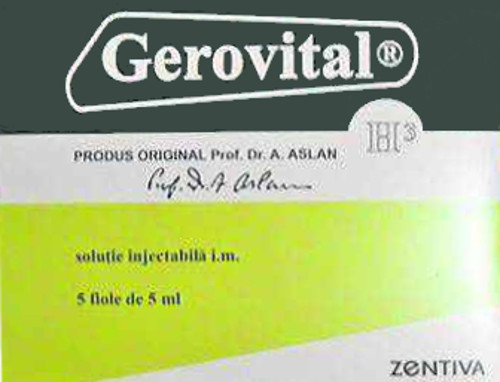
The anesthetic that became a cure for old age
Buffered Novocain — the local anesthetic a dentist injects before drilling a tooth — became, in Ana Aslan’s hands, the most internationally famous anti-aging therapy of the Cold War. Aslan (1 January 1897, Braila, to 20 May 1988, Bucharest) was the recognized face of procaine therapy for aging. Working under the gerontologist Constantin Ion Parhon, she repurposed buffered procaine as a systemic anti-aging agent, branded Gerovital H3, from around 1949 to 1951. As director of the National Institute of Geriatrics and Gerontology in Bucharest (its director from 1958 until her death) and organizer of the Romanian Society of Gerontology and Geriatrics in 1959, she carried the credibility of a state research institute, which distinguished Gerovital from over-the-counter rejuvenation tonics and gave it standing with foreign patients and physicians.
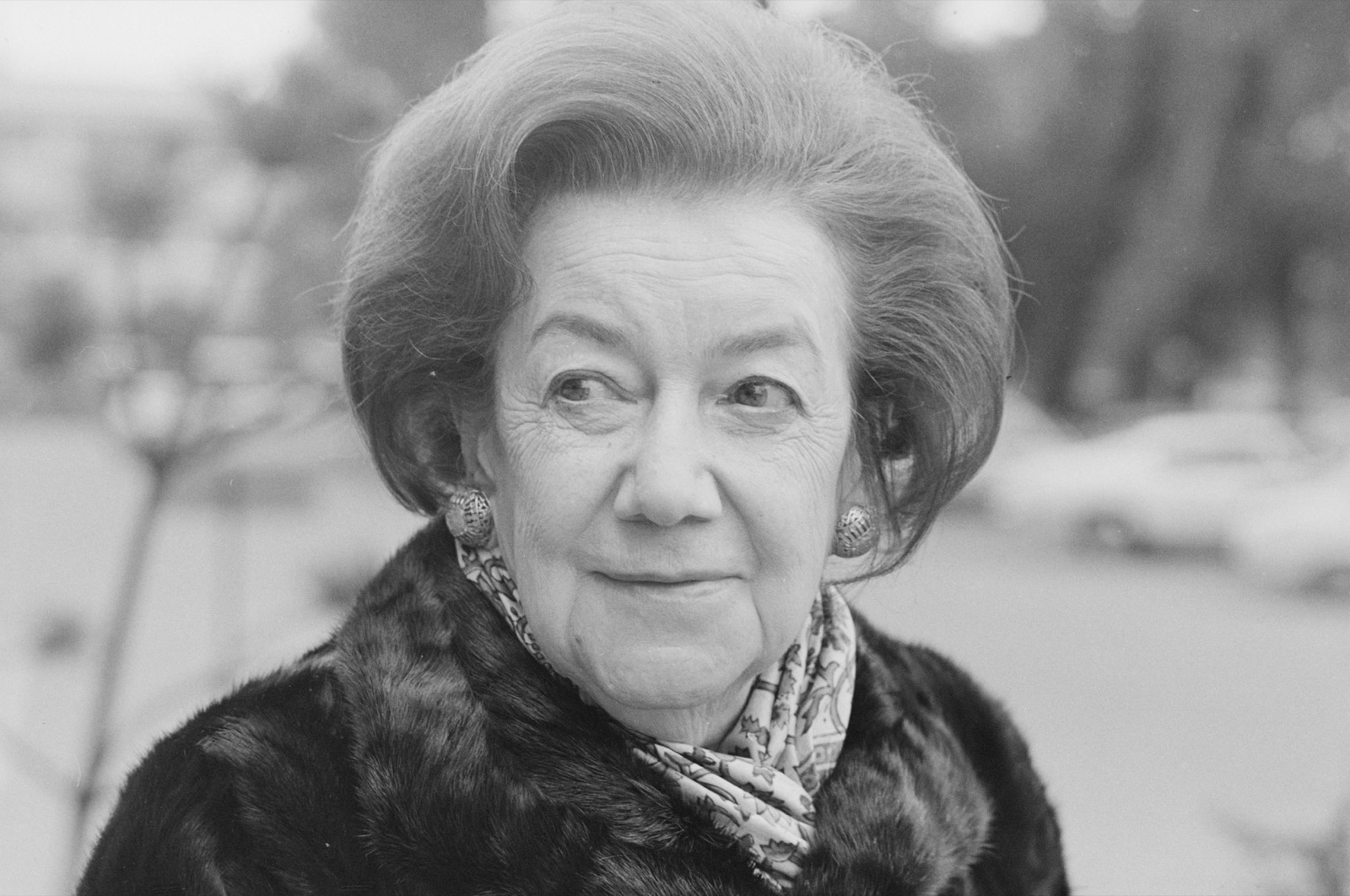
You had to fly to Bucharest for it
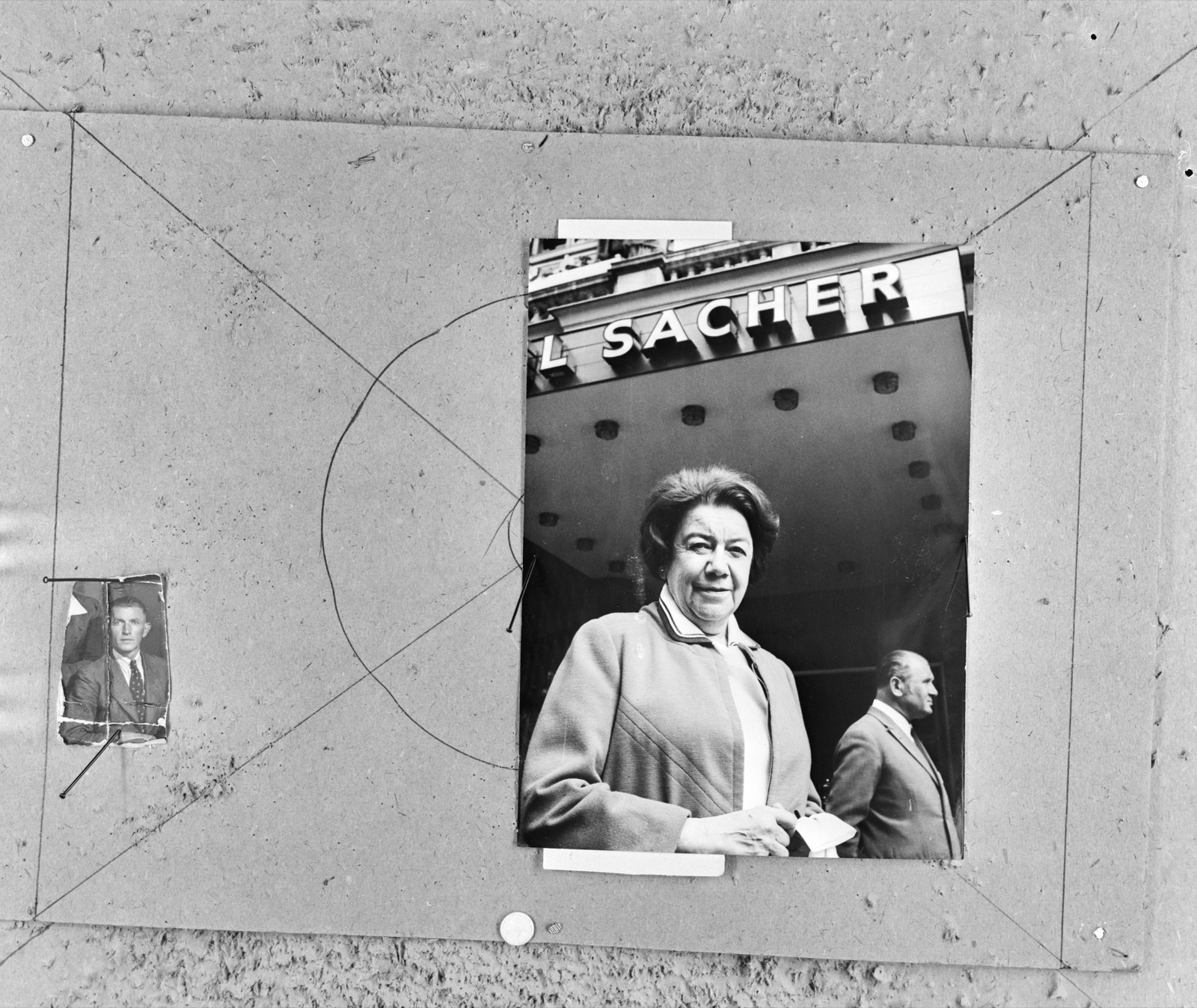
Gerovital was delivered as supervised courses of injections at Aslan’s Bucharest institute and associated clinics, and the program turned Romania into a destination for foreigners seeking the treatment. Access was structured as medical tourism to a state institute rather than as an open pharmacy product: a course of treatment, repeated in cycles, administered under the institute’s authority and priced for patients who could travel for it. Because the elite-clientele lore around Gerovital is poorly documented, this bundle records no notable_patients; the access pattern is described structurally (a state institute drawing paying foreign patients) rather than through named individuals.
Gone from the bloodstream in minutes
Gerovital H3 is a roughly two percent procaine hydrochloride solution stabilized with benzoic acid, potassium metabisulfite, and disodium phosphate (about pH 3.3), procaine being the major component. The proposed anti-aging mechanism was never grounded in a demonstrated physiology of aging. Injected procaine is rapidly hydrolyzed to para-aminobenzoic acid and diethylaminoethanol, and the only plausible systemic action later identified was weak, reversible monoamine oxidase inhibition, which is a route to a possible mild antidepressant effect, not to retarded aging. The claim that a local anesthetic systemically slows aging and treats the chronic diseases of later life extended well beyond what the pharmacology supported.
Inventor, manufacturer, and judge in one
Developer, producing institute, and credentialing authority were concentrated around one person and one state body: Aslan devised the claim, her institute produced and administered the therapy, and she was its principal scientific advocate. Under the Romanian state, Gerovital became a national geriatric program and a source of treatment and export revenue. The conflict in this case is structural and institutional rather than a documented personal commercial profit; the bundle states the concentration of roles and the state program’s interest in the therapy rather than asserting an exhaustive accounting of who was paid.
100,000 patients, no anti-aging effect
Unlike the eighteenth-century cases in this archive, Gerovital was disconfirmed by the accumulation of controlled clinical literature rather than by a single commission or trial. Aslan’s own 1965 Journal of Gerontology paper reported extended lifespan in procaine-treated albino rats, but the human claims did not hold up. The 1977 review by Ostfeld, Smith, and Stotsky in the Journal of the American Geriatrics Society evaluated 285 articles and books describing treatment of more than 100,000 patients over 25 years and concluded that, except for a possible antidepressant effect, there is no convincing evidence that procaine or Gerovital has any value in the treatment of disease in older patients. The US FDA classified the Gerovital H3 anti-aging product as an unapproved new drug and acted against its importation in 1982, and Perls restated in 2013 that no scientifically credible evidence supports procaine for age-related disease.
The pattern repeats
The same structural machinery appears in different treatments and eras. These cases show the claimed mechanism and how the claim met evidence.
Antireticular cytotoxic serum (ACS / ATsS)
Cellular therapy (Frischzellentherapie)
Voronoff testicular xenograft (chimpanzee-to-human)
Part of the lineage
Evidence · 12 sources
- Preventive treatment and cure of aging phenomena; action of novocaine as eutrophic and rejuvenating factor (1957)
- Long-term treatment with procaine (Gerovital H3) in albino rats (1965)
- The systemic use of procaine in the treatment of the elderly: a review (1977)
- The Reappearance of Procaine Hydrochloride (Gerovital H3) for Antiaging (2013)
- The Radioprotective Effect of Procaine and Procaine-Derived Product Gerovital H3 in Lymphocytes from Young and Aged Individuals (2020)
- Ana Aslan (Wikipedia) (2026)
- Ana Aslan in Vienna, 1970 (Anefo press photograph) (1970)
- Ana Aslan, 1976 (Fotoburo De Boer photograph) (1976)
- Gerovital H3 injectable product carton (present-day), photographed 2018 (2018)
- Gerovital H3 5 ml ampoules (2026)
- Gerovital H3 national medicines-register entry (2026)
- KH-3 (2025)