Megadose vitamin C ('orthomolecular' ascorbate therapy)
In 1970, Nobel laureate Linus Pauling declared that gram-scale doses of vitamin C could stop the common cold; six years later, with a Scottish surgeon, that intravenous megadoses quadrupled survival in terminal cancer. Randomized Mayo Clinic trials found neither claim held, and a 2013 Cochrane review confirmed no benefit against ordinary colds. Vitamin C is still sold, and still infused in clinics, as both cures today.
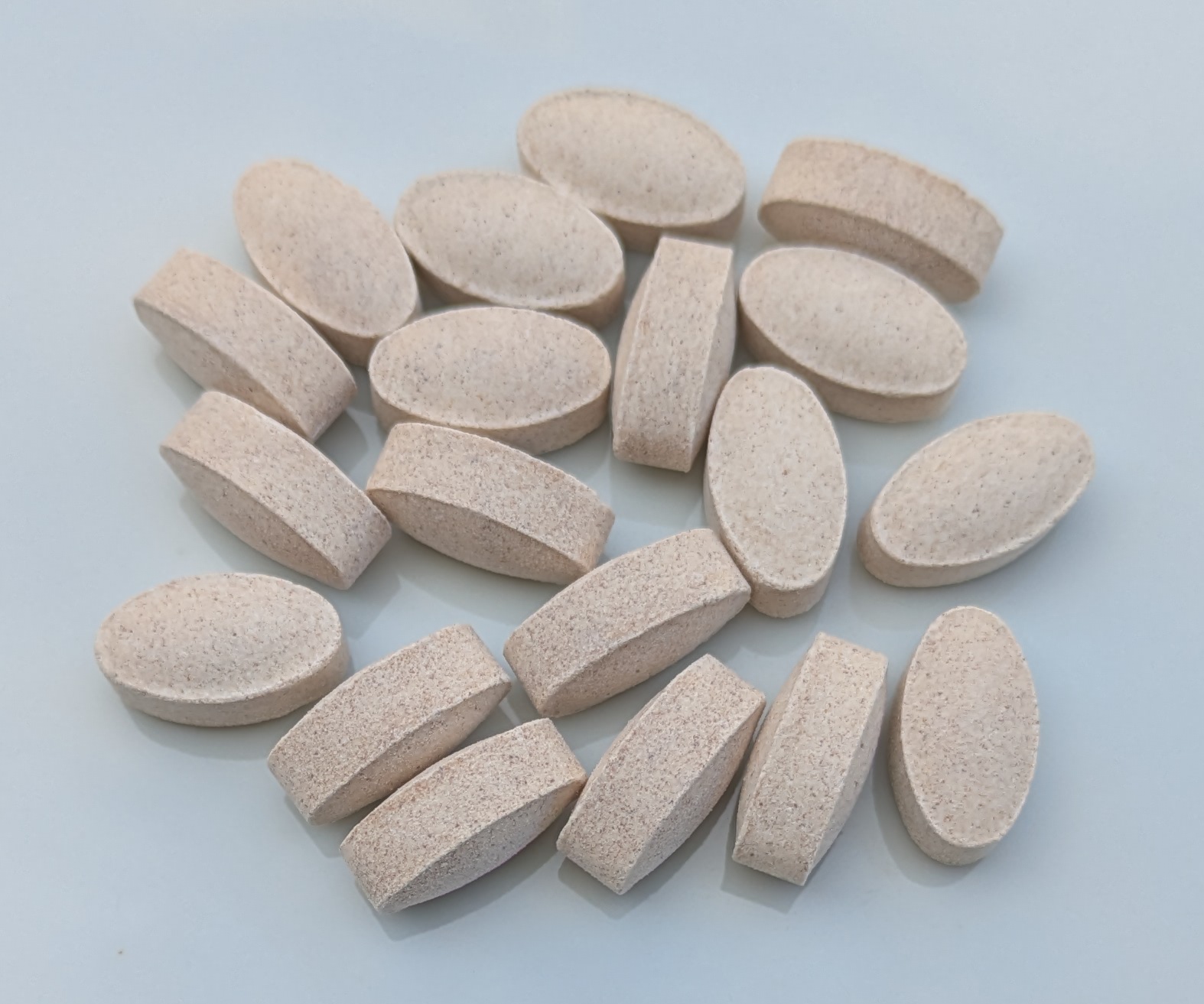
The chemist who took forty times the recommended dose
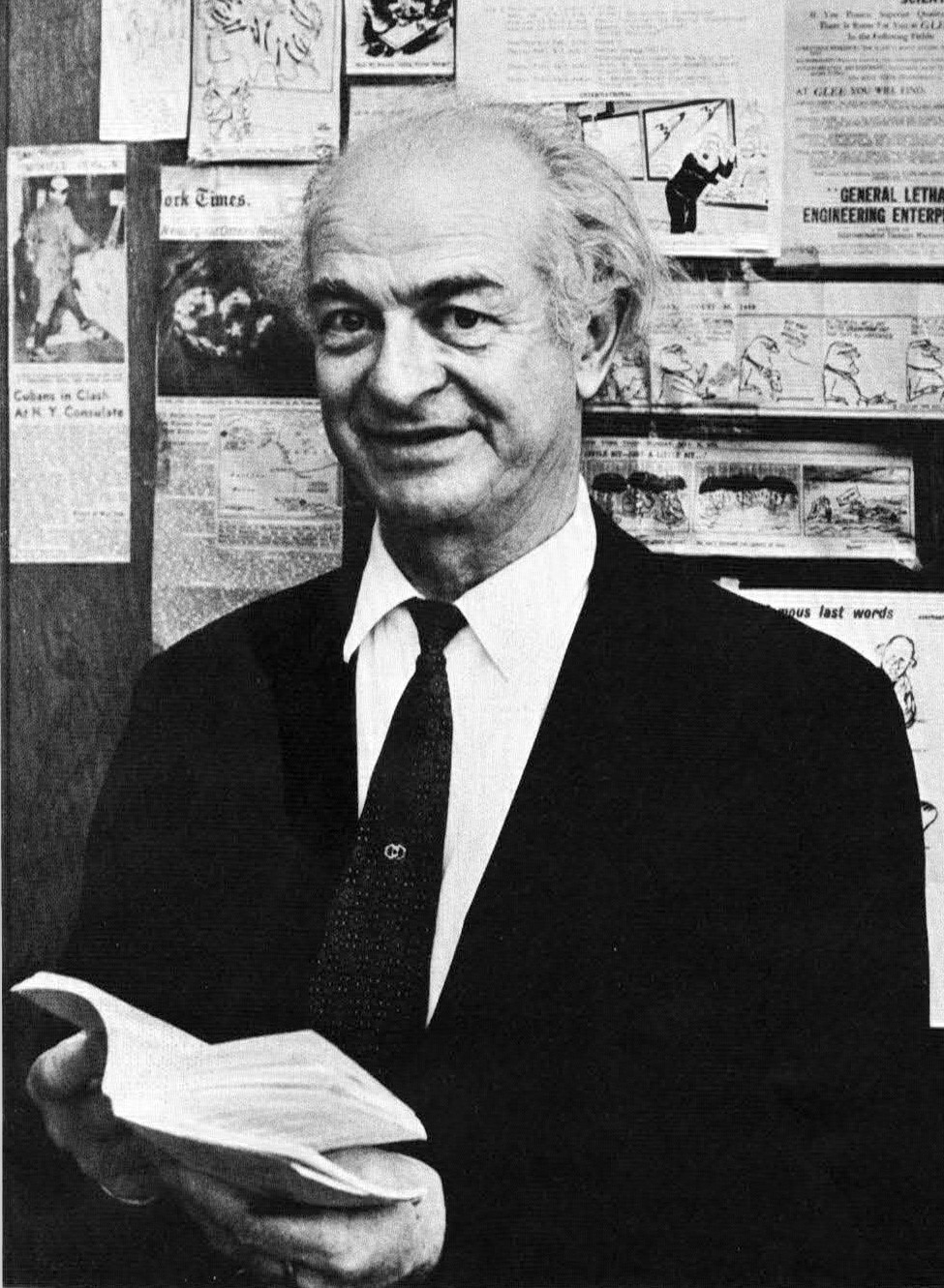
Each morning in the 1970s, Linus Pauling stirred several grams of ascorbic acid into his orange juice — by his own account, doses tens of times the U.S. recommended daily allowance for vitamin C. He was not an eccentric outsider self-medicating on the margins of medicine. Pauling was the only person ever to win two unshared Nobel Prizes: Chemistry in 1954, for his work on the chemical bond, and Peace in 1962, for his campaign against atmospheric nuclear testing. In 1970 he turned that authority toward a new claim, publishing Vitamin C and the Common Cold (W.H. Freeman) — a popular book arguing that megadoses of a vitamin best known for preventing scurvy could also prevent and shorten the common cold. The book extrapolated its central quantitative claim chiefly from a single trial of Swiss schoolchildren at a ski camp, a group whose brief exposure to severe cold and physical stress was not representative of ordinary life, but its author’s credentials carried it past that limitation with the public. Six years later, working with a Scottish surgeon, Pauling would extend the same molecule’s promise from the common cold to terminal cancer.
A hospital ward on Loch Lomond
The cancer claim originated with Ewan Cameron, a surgeon at Vale of Leven Hospital in Alexandria, Scotland, on the shore of Loch Lomond, who began treating terminal cancer patients with 10 grams per day of intravenous ascorbate, followed by indefinite oral maintenance at the same dose. Cameron brought his case series to Pauling, and in 1976 the two published it in the Proceedings of the National Academy of Sciences: 100 “terminal” patients treated with ascorbate, compared against 1,000 retrospective control patients from the same hospital, matched on age, sex, cancer type, and clinical stage. The ascorbate group’s mean survival, the paper reported, was more than four times the controls’ (Cameron & Pauling, PNAS 1976). A 1978 follow-up in the same journal reported that 22% of a further ascorbate-treated cohort survived more than a year, against 0.4% of a second set of 1,000 controls. Vale of Leven was, for a period, the place a patient went to receive this specific protocol under its co-developer’s direct supervision; the Linus Pauling Institute of Science and Medicine, which Pauling founded in Menlo Park, California in 1973, became the claim’s research and publicity base in the United States.
A vitamin, asked to do everything
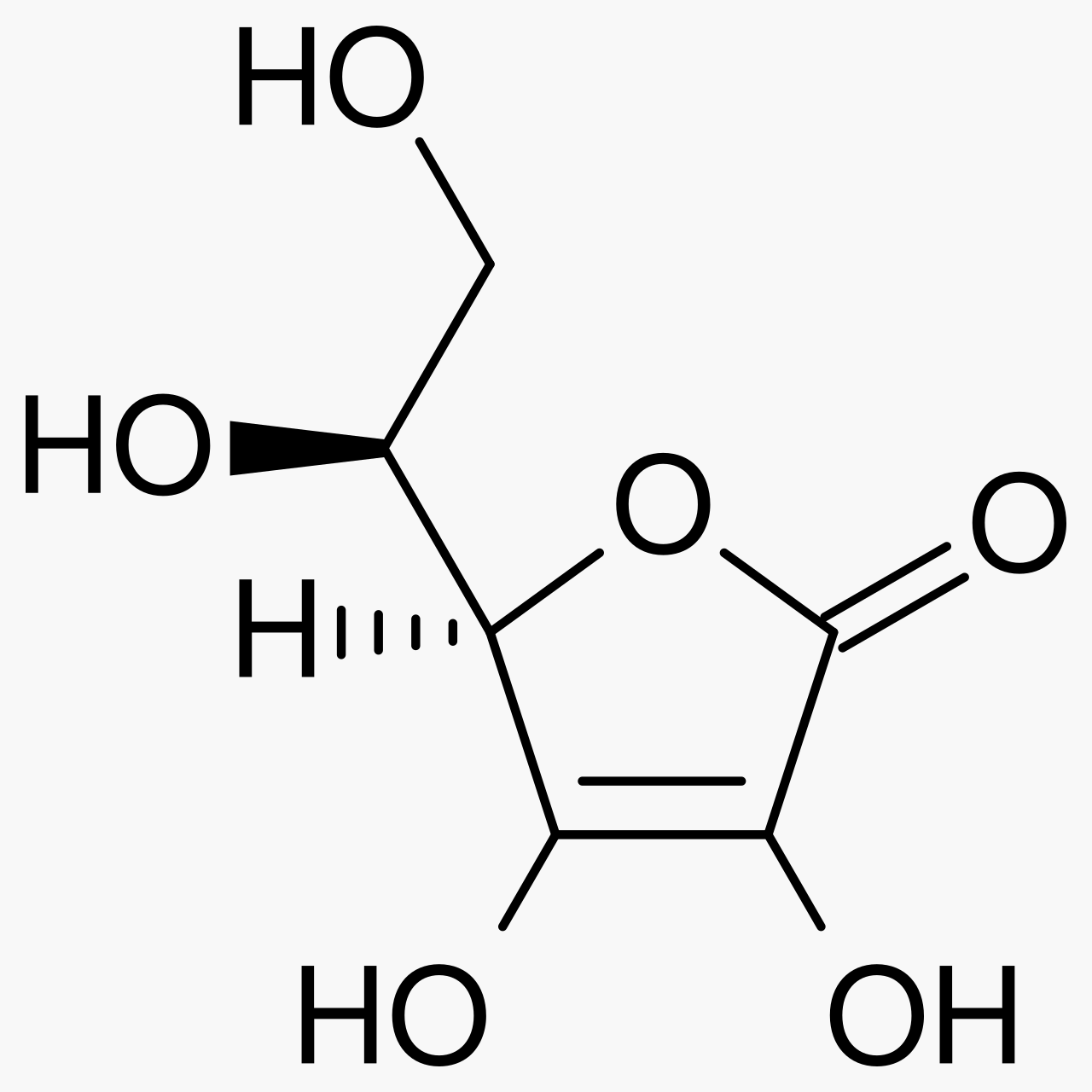
Vitamin C has one long-established, well-understood deficiency disease: scurvy, a connective-tissue disorder that develops when the body cannot make its own ascorbic acid and dietary intake runs too low. Pauling’s claims for megadose vitamin C reached far past that mechanism. For the common cold, the proposed benefit was a general strengthening of immune defenses at doses many times the amount needed to prevent scurvy. For cancer, the Cameron-Pauling hypothesis held that high-dose ascorbate — particularly given intravenously, which reaches far higher blood concentrations than oral dosing — could selectively damage malignant cells and support the body’s connective tissue against tumor invasion, prolonging survival without the toxicity of chemotherapy or radiation. Neither mechanism was established by controlled human trials at the time either claim was published; both were framed, in Pauling’s own popular writing, as a natural extension of vitamin C’s real biochemistry rather than as the separate, additional pharmacological claims they actually were.
A patent, a corporation, and an institute’s donors
Pauling’s financial stake in vitamin C therapeutics is not concentrated in a single, dramatic conflict, but it is documented. In 1990 he and a younger collaborator, Matthias Rath, filed a patent application for a vitamin C-based cardiovascular therapy: ascorbate combined with lysine and other lipoprotein(a)-binding inhibitors, proposed to prevent and reverse arterial plaque. The patent, US 5,278,189A, was granted on 11 January 1994 — seven months before Pauling’s death — and was assigned to Therapy 2000, a California corporation, before later passing to Matthias Rath Holding BV. No source found in this research documents Pauling personally as a paid spokesman or royalty-holder for a consumer vitamin C brand, and no source quantifies his personal earnings from Vitamin C and the Common Cold or Cancer and Vitamin C, the books that built the popular case for his claims. But the Linus Pauling Institute of Science and Medicine, which he founded and which pursued this research program, is archivally documented as having drawn financial support from corporate donors including the Elizabeth Arden cosmetics company, alongside other benefactors — corporate funding for the institution built around Pauling’s own health claims, running concurrently with a cardiovascular patent assigned to a company, while the cancer and common-cold claims that had made his reputation in this field were still being independently tested.
Two Mayo Clinic trials and a Cochrane review
Both of Pauling’s major claims were tested directly, and both failed the test. The Cameron-Pauling cancer claim was examined in two randomized, double-blind, placebo-controlled trials at the Mayo Clinic. The first (Creagan et al., New England Journal of Medicine, 1979) gave 10 grams of oral vitamin C daily to 150 patients with advanced cancer and found no difference from placebo in symptoms, performance status, appetite, weight, or survival — median survival was about seven weeks in both groups. Pauling publicly objected that the trial’s patients, unlike Cameron’s original cohort, had already received chemotherapy that might have suppressed their capacity to benefit. The Mayo Clinic ran a second trial (Moertel et al., NEJM, 1985) restricted to chemotherapy-naive patients, addressing that objection directly. It again found no tumor response and no survival benefit; a 2020 summary from the NCI-affiliated Frederick National Laboratory for Cancer Research put it plainly: because the Mayo trials were conducted more rigorously than the original Cameron-Pauling studies, “people trusted the Mayo Clinic’s data and discredited the Cameron-Pauling trials, dampening the enthusiasm for vitamin C as a cancer therapy.” The common-cold claim met a similar fate on a longer time scale. A 2013 Cochrane systematic review by Harri Hemilä and Elizabeth Chalker, pooling 29 trial comparisons and more than 11,000 participants, reached this conclusion: “The failure of vitamin C supplementation to reduce the incidence of colds in the general population indicates that routine vitamin C supplementation is not justified, yet vitamin C may be useful for people exposed to brief periods of severe physical exercise.” The large protective effect Pauling had generalized to the whole population from a ski-camp trial held up only in that narrow subgroup, under brief severe physical or cold stress. Neither disconfirmation ended the market. Vitamin C remains among the most widely sold dietary supplements in the world, and high-dose intravenous ascorbate is still offered today by integrative and naturopathic clinics as a cancer therapy. One example, current as of this writing: the Riordan Clinic, an integrative-medicine practice in Wichita and Overland Park, Kansas, markets “High-Dose IV Vitamin C (IVC)” on its own website as a cancer therapy, telling prospective patients: “The National Institutes of Health has published evidence confirming Vitamin C’s anti-cancer properties.” The same page tells cancer patients that when they receive it, “they report a reduction in their pain level and they are better able to tolerate chemotherapy.” The National Cancer Institute’s own patient-information summary, last revised 28 May 2024, reaches the opposite conclusion about the underlying evidence: “The U.S. Food and Drug Administration (FDA) has not approved the use of high-dose vitamin C as a treatment for cancer or any other medical condition.” Human trials to date have not established that it treats cancer.
The pattern repeats
The same structural machinery appears in different treatments and eras. These cases show the claimed mechanism and how the claim met evidence.
Soured-milk ('Bulgarian bacillus') longevity therapy
Krebiozen Cancer Treatment
Sirtuin-activating compounds (resveratrol, then NMN)
More related cases · 1
Part of the lineage
External references
Evidence · 17 sources
- Supplemental ascorbate in the supportive treatment of cancer: Prolongation of survival times in terminal human cancer (1976)
- Supplemental ascorbate in the supportive treatment of cancer: reevaluation of prolongation of survival times in terminal human cancer (1978)
- Failure of high-dose vitamin C (ascorbic acid) therapy to benefit patients with advanced cancer. A controlled trial (1979)
- High-dose vitamin C versus placebo in the treatment of patients with advanced cancer who have had no prior chemotherapy. A randomized double-blind comparison (1985)
- Vitamin C for preventing and treating the common cold (2013)
- Prevention and treatment of occlusive cardiovascular disease with ascorbate and substances that inhibit the binding of lipoprotein (a) (1994)
- Vitamin C and the Common Cold (1970)
- Cancer and Vitamin C: A Discussion of the Nature, Causes, Prevention, and Treatment of Cancer with Special Reference to the Value of Vitamin C (1993)
- Intravenous High-Dose Vitamin C in Cancer Therapy (2020)
- High-Dose Vitamin C (PDQ): Patient Version (2024)
- How the vitamin-industrial complex swindled America (2015)
- Linus Pauling's Vitamin C Crusade (2025)
- High-Dose IV Vitamin C (IVC) (2026)
- Linus Pauling Institute of Science and Medicine Records, 1901-2010 (2010)
- File:Linus Pauling 1964.png (1964)
- File:Vitamin C supplements 1.jpg (2025)
- Ascorbic acid chemical structure diagram (2010)