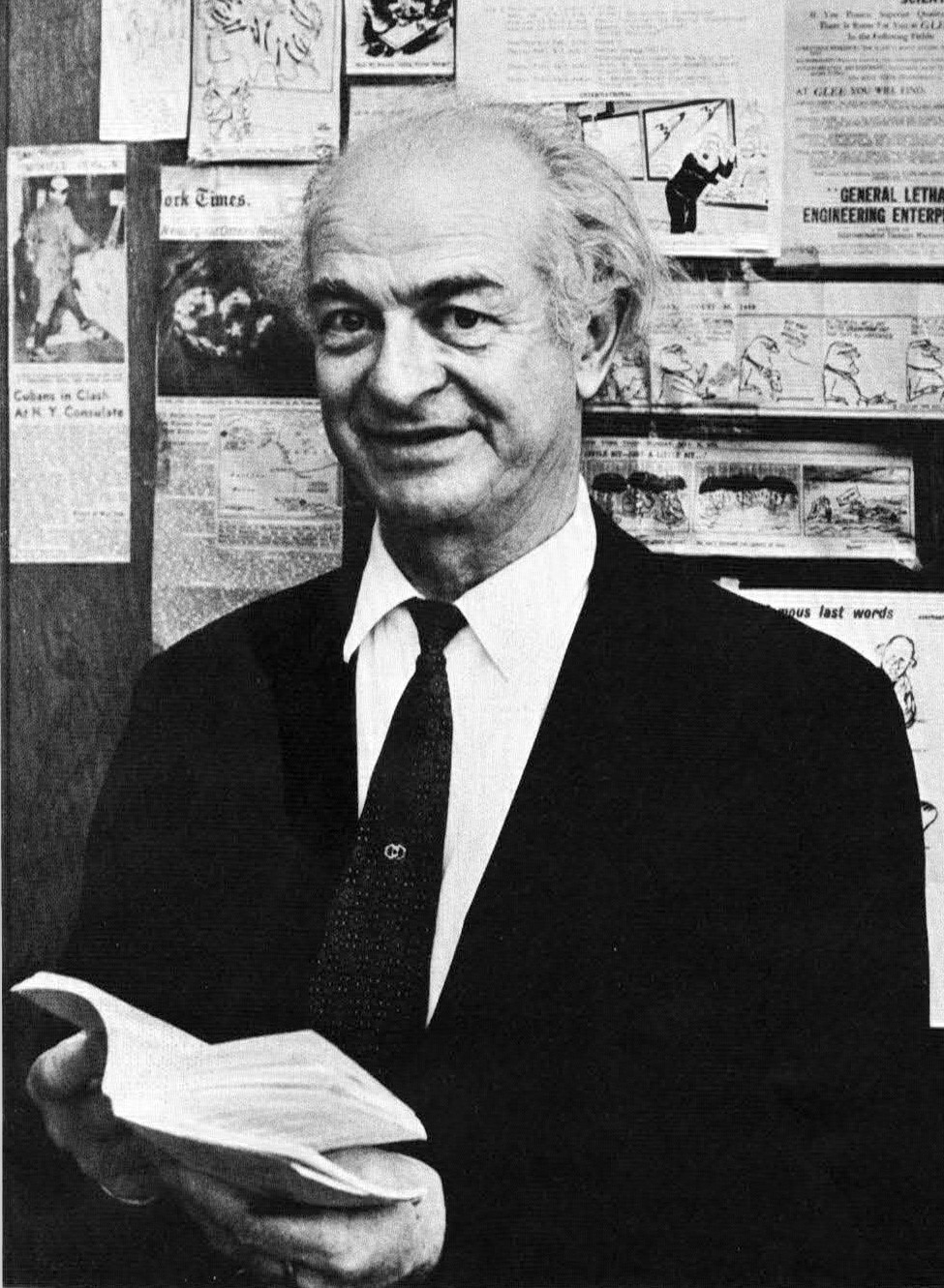
Linus Pauling
Linus Carl Pauling (1901-1994) was a chemist and the only person to date to win two unshared Nobel Prizes: Chemistry (1954), for his work on the nature of the chemical bond, and Peace (1962), for his campaign against atmospheric nuclear testing. That double credential gave a scientific claim he made in retirement a level of public trust few other advocates of the same claim could have commanded. Starting with his 1970 book Vitamin C and the Common Cold, Pauling argued that gram-scale doses of ascorbic acid — far above the amount needed to prevent scurvy, vitamin C’s one established deficiency disease — could prevent and shorten colds, and later, working with Scottish surgeon Ewan Cameron at Vale of Leven Hospital, that intravenous and oral megadoses could prolong survival in terminal cancer. He founded the Linus Pauling Institute of Science and Medicine in 1973 to pursue this and related “orthomolecular medicine” research. Two Mayo Clinic randomized, double-blind, placebo-controlled trials (1979 and 1985) found no cancer benefit from high-dose vitamin C, and a large Cochrane systematic review (2013) found no reduction in cold incidence in the general population from routine megadose supplementation. Pauling continued to promote megadose vitamin C, including a later cardiovascular claim (with Matthias Rath, patented in 1994) that vitamin C plus lysine could dissolve arterial plaque, until his death from prostate cancer in 1994.