Essiac (herbal cancer tea)
In 1922 a patient told a Canadian nurse that an Ojibwa medicine man's recipe had cured the patient's breast cancer; the nurse spent five decades giving the tea, Essiac, to cancer patients. No controlled human trial has ever shown it treats cancer; a 2006 lab study found 1%-8% Essiac and Flor-Essence concentrations stimulated breast-cancer-cell growth in vitro, yet both products remain for sale.
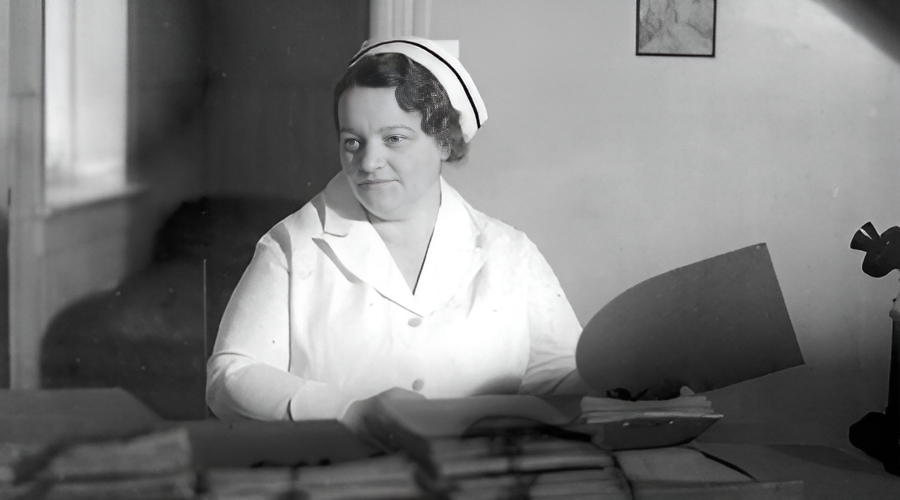
A nurse, a patient’s story, and a four-herb formula
Rene M. Caisse was a Canadian nurse when a patient told her in 1922 that an Ontario Ojibwa medicine man had given the patient a four-herb tea formula. The patient credited the mixture with curing her own breast cancer and passed the recipe on. Caisse began giving the tea, which she called Essiac, her surname spelled backward, to cancer patients she knew. It took over a decade for that informal practice to become an institution: in 1934 she opened a clinic on Dominion Street in Bracebridge, Ontario, where for eight years she treated cancer patients, refusing to charge a fee and accepting only donations to keep the doors open. The clinic closed in 1942, but Caisse kept supplying Essiac informally to patients until her death in 1978.
From one clinic’s waiting room to a shopping cart
Caisse dispensed Essiac free at her Bracebridge clinic and continued providing it after the clinic closed, into the late 1970s. In 1977 she transferred the formula to Resperin Corporation Limited. Access is broad today: several companies sell Essiac-like products through ordinary e-commerce, and the related but distinct eight-herb Flor Essence is sold separately. The FTC documented the same online retail channel in 2000 when it proposed a settlement with an Internet reseller over disease-treatment claims for Essiac Tea that the agency alleged lacked adequate substantiation.
Boosting the immune system, naming no pathway
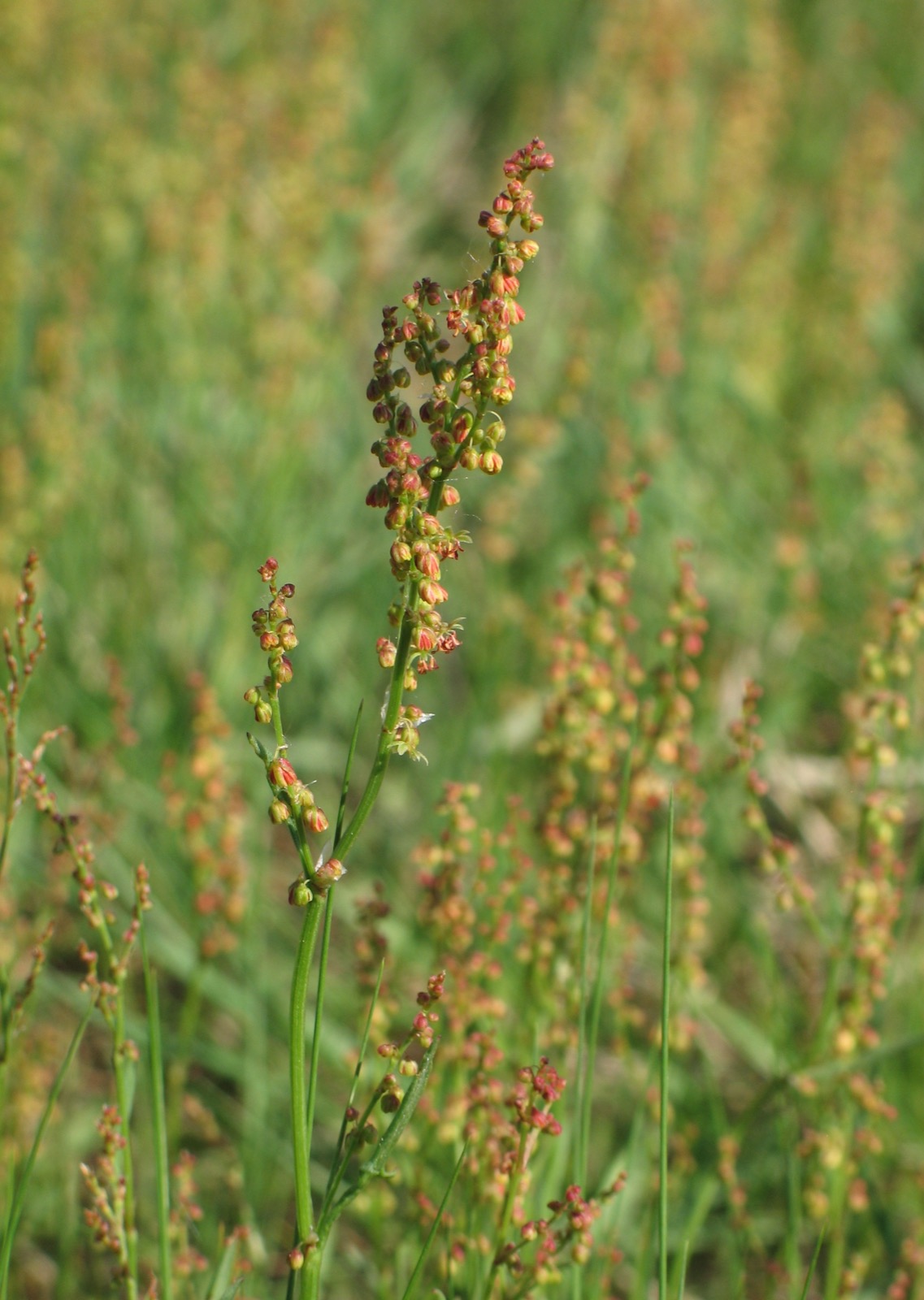
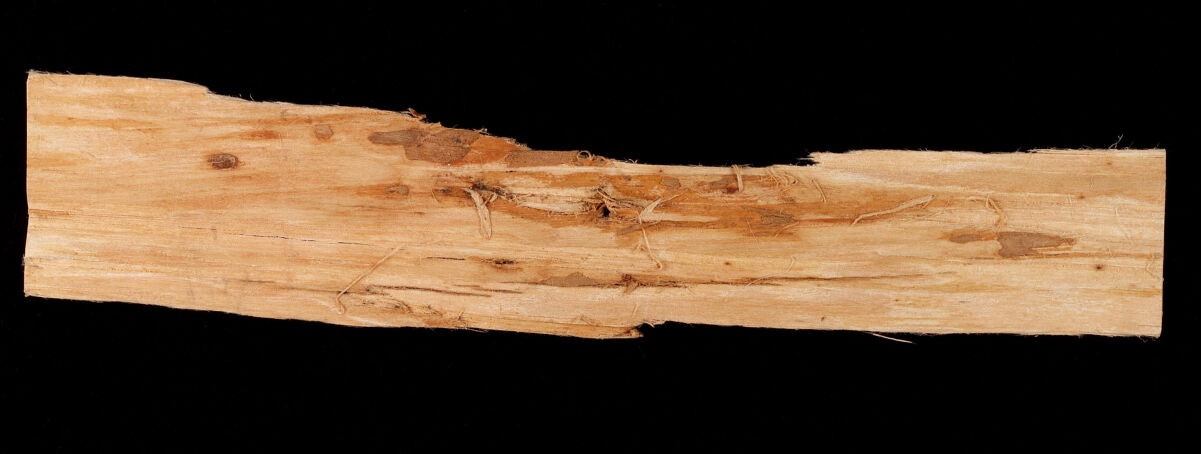
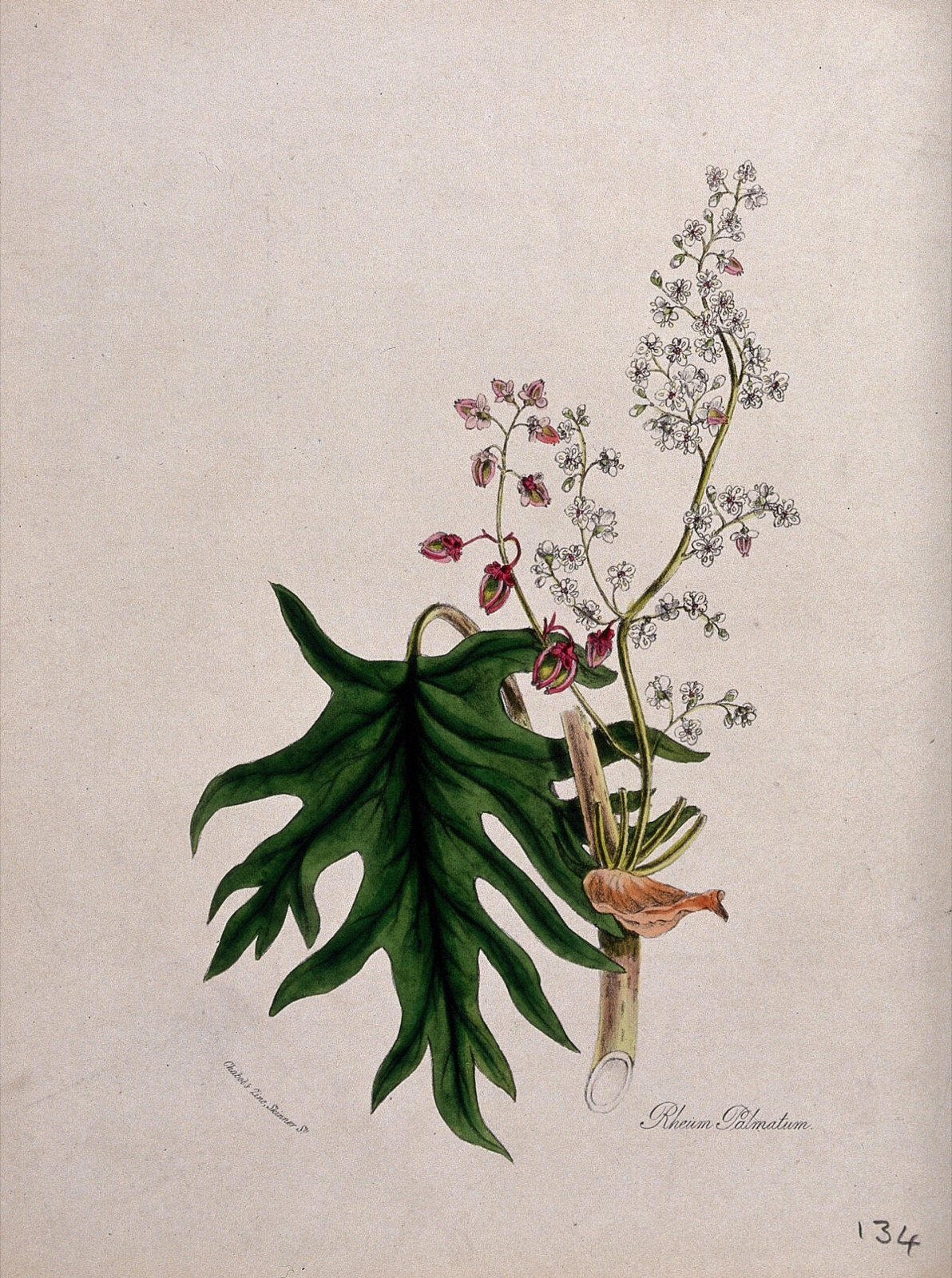
Current promotional claims describe a vague mechanism: Essiac is said to “strengthen” or “boost” the immune system, thereby helping the body fight cancer on its own. No specific immune pathway has been established as an operative anticancer mechanism. Laboratory assays have tested several biochemical and immune effects, but the results do not establish clinical benefit. A controlled animal study found only a modest gastric-protective effect and no significant hepatoprotective, hypoglycemic, or immune-modulating activity. A separate in vitro study reported antioxidant activity, immune-cell stimulation, and inhibition of CYP450 enzymes and clot fibrinolysis; the authors said the clinical significance of those observations remained undetermined. Memorial Sloan Kettering’s current monograph notes that in laboratory studies rhubarb, one of the formula’s four herbs, actually suppressed part of the immune system, the opposite of the marketed effect. Most directly contrary to the claim, a 2006 peer-reviewed laboratory study found that 1%-8% concentrations of Essiac and the distinct eight-herb Flor-Essence product stimulated the growth of both estrogen-receptor-positive and estrogen-receptor-negative human breast cancer cell lines. In MCF-7 cells, 16% Flor-Essence produced growth not significantly different from controls and 32% was cytotoxic. The authors noted that human target-cell concentrations were unknown.
From a donation jar to a corporate formula
Caisse’s own arrangement was modest by the standards of this archive: no fee, only donations, at a single small-town clinic. That changed in 1977, when she signed over exclusive commercial rights to the Essiac formula to Resperin Corporation Limited. Several companies sell Essiac-like products today, while the related eight-herb Flor Essence is made by one company; both are marketed as over-the-counter dietary supplements. A current Essiac seller carries the standard regulatory disclaimer that its products are “not intended to diagnose, treat, cure, or prevent any disease.” Federal scrutiny reached one seller: in 2000 the U.S. Federal Trade Commission announced a proposed settlement with Michael D. Miller, doing business as Natural Heritage Enterprises, who had marketed Essiac Tea online. The FTC alleged the marketing “touted their products as being effective treatments or cures for various diseases, including arthritis, cancer, diabetes and AIDS, without adequate substantiation to support the claims.”
Six decades, no trial, one company that lost permission to study it
No published, controlled clinical trial of Essiac in human cancer patients has ever demonstrated a benefit; the National Cancer Institute’s current professional summary states this without qualification, and adds that the FDA has not approved either Essiac or Flor Essence to treat cancer or any other medical condition. An attempt to obtain prospective clinical evidence ended in failure: in 1978, the corporation holding Caisse’s transferred formula obtained permission from Canada’s Department of National Health and Welfare (Health Protection Branch) to conduct clinical safety and efficacy studies. In 1982 that permission was withdrawn after the corporation failed to meet its own commitments, to control manufacturing consistency, to isolate and characterize the formula’s active substances, and to design and execute proper clinical trials. A retrospective review of 86 cancer patients who had received Essiac under Canada’s Emergency Drug Release Program between 1978 and 1982 found no clear evidence that the treatment improved survival. A 2006 retrospective cohort of 510 women with breast cancer diagnosed in Ontario in 2003 found Essiac users did not have significantly better quality of life or mood than non-users, and scored worse on physical well-being and on their relationship with their doctor. Essiac and Flor Essence remain for sale today, and current authoritative reviews continue to say plainly what the 1998 Canadian Breast Cancer Research Initiative task force said cautiously a generation ago: Cancer Research UK’s 2022-reviewed monograph states there is “no evidence to use it as a treatment for cancer,” and Memorial Sloan Kettering’s 2021-updated monograph states that Essiac “has not been shown to treat or prevent cancer.”
The pattern repeats
The same structural machinery appears in different treatments and eras. These cases show the claimed mechanism and how the claim met evidence.
Part of the lineage
Evidence · 19 sources
- Unconventional therapies for cancer: 1. Essiac (1998)
- Trial of Essiac to ascertain its effect in women with breast cancer (TEA-BC) (2006)
- An in vivo analysis of the herbal compound essiac (2006)
- In vitro analysis of the herbal compound Essiac (2007)
- The chemistry and biological activity of herbs used in Flor-Essence herbal tonic and Essiac (2000)
- Essiac and Flor-Essence herbal tonics stimulate the in vitro growth of human breast cancer cells (2006)
- Essiac/Flor Essence (PDQ(R)): Health Professional Version (2002)
- FTC Hits Internet Health Fraud in Continuation of Operation Cure.All: New Cases Target Deceptive Hi-Tech Marketing Techniques (2000)
- History of R. Caisse (2026)
- Essiac (2022)
- Essiac (2021)
- Clinic of Hope: The Story of Rene Caisse and Essiac (2004)
- Case of the United States versus the Hoxsey Cancer Clinic; opinion of the United States Court of Appeals for the Fifth Circuit (1952)
- Hoxsey Herbal Therapy (2021)
- Rene Caisse at her desk (2022)
- Rene Caisse desk photograph, 900-by-500-pixel reproduction (2025)
- Red sorrel (Rumex acetosella) in Hesse, Germany (2006)
- Slippery Elm Bark (2014)
- Chinese or Turkish rhubarb (Rheum palmatum): flowering and fruiting stem with leaf (1842)