Steinach Vasoligation (Steinach Operation)
Eugen Steinach, a Vienna physiologist nominated for the Nobel Prize at least nine times, claimed that tying off one vas deferens would rejuvenate aging men by forcing the testis to make more hormone; Yeats and Freud both went under the knife. The hormone shift was inferred from rat histology and never shown in a single human. When testosterone was isolated in 1935, doctors could give the hormone directly, and the fifteen-minute operation simply disappeared.
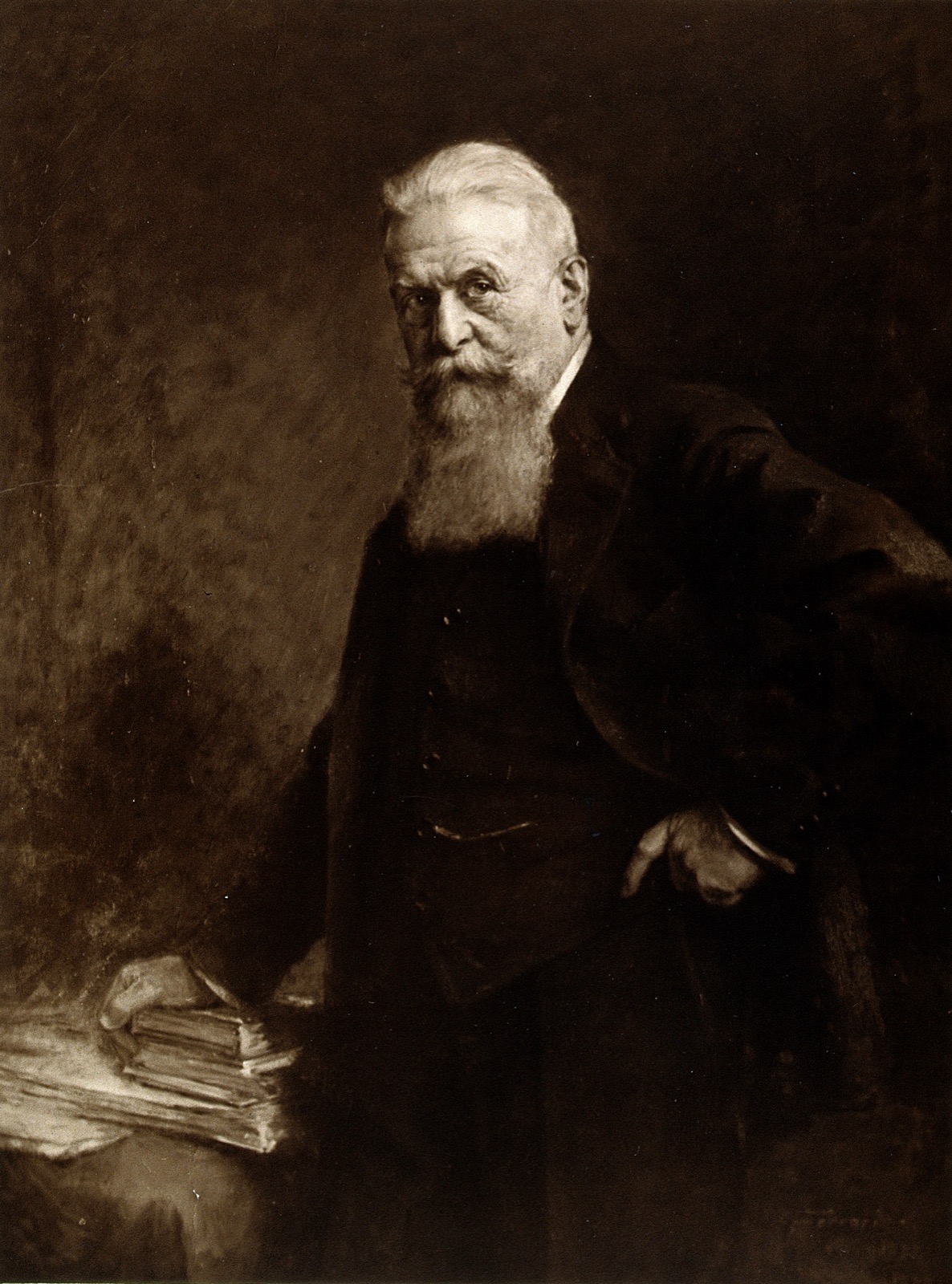
The man who found the hormone gland, then oversold it
A surgeon could rejuvenate an aging man in about fifteen minutes, under local anesthesia, through a small scrotal incision: tie off one vas deferens and walk the patient out. That promise drew W. B. Yeats to the operating table. Sigmund Freud underwent the same operation for a different, oncological rationale: it was pursued on the hypothesis that endocrine rejuvenation might impede recurrence of his cancer, diagnosed in 1923. The man behind the procedure never picked up a scalpel. Eugen Steinach (28 January 1861 to 14 May 1944) was a physiologist, not a surgeon, and what made the claim land was his name.
It was an earned name. Steinach directed the physiological division of Vienna’s Biologische Versuchsanstalt from 1912, and his earlier research had established that the testicular interstitial cells (Leydig cells) are the source of male sex hormones — a real and lasting contribution. His sex-reversal experiments in rodents were cited by contemporaries as important endocrinology. He was nominated for the Nobel Prize in Physiology or Medicine at least nine times between 1920 and 1938, the Nobel Committee judging aspects of his work as potentially prizeworthy (Hansson et al., Urol Int 2020, PMID 32172253). Through the 1920s and 1930s he combined standing at the Viennese academy with a prolific publication record and heavy coverage in both the scientific and the popular press.
That authority did the work the evidence could not. Steinach delegated the operation to cooperating urologists — Victor Blum and Robert Lichtenstern in Vienna, Norman Haire in London — while he supplied the theory and the reputation. The first human vasoligation on his theoretical basis was performed by Lichtenstern in 1918. The discoverer of where male hormones come from was now vouching, on his own credentials, for an operation he had never tested in a controlled human study.
A gold rush on Harley Street
The operation lived in private and semi-private clinics in Vienna, London, and Berlin, and crossed to the United States through practitioners who picked up the technique without any formal licensing. In Vienna it was tied to the Steinach laboratory and carried out by urologists including Victor Blum. In London the Australian-born sexologist Norman Haire ran it from his Harley Street clinic, totaling ‘rather less than 200’ operations over his career. In the United States, Harry Benjamin and Charles H. Chetwood were among those who adopted it. The clientele was telling: by 1920 more than 100 Viennese physicians, scientists, and professors had reportedly had the procedure themselves. The price in these elite settings is not independently documented in the sources reviewed and is therefore omitted. In 1927 the JAMA editor Morris Fishbein described the demand as something close to a gold rush, with prominent patients pulling in more patients behind them.
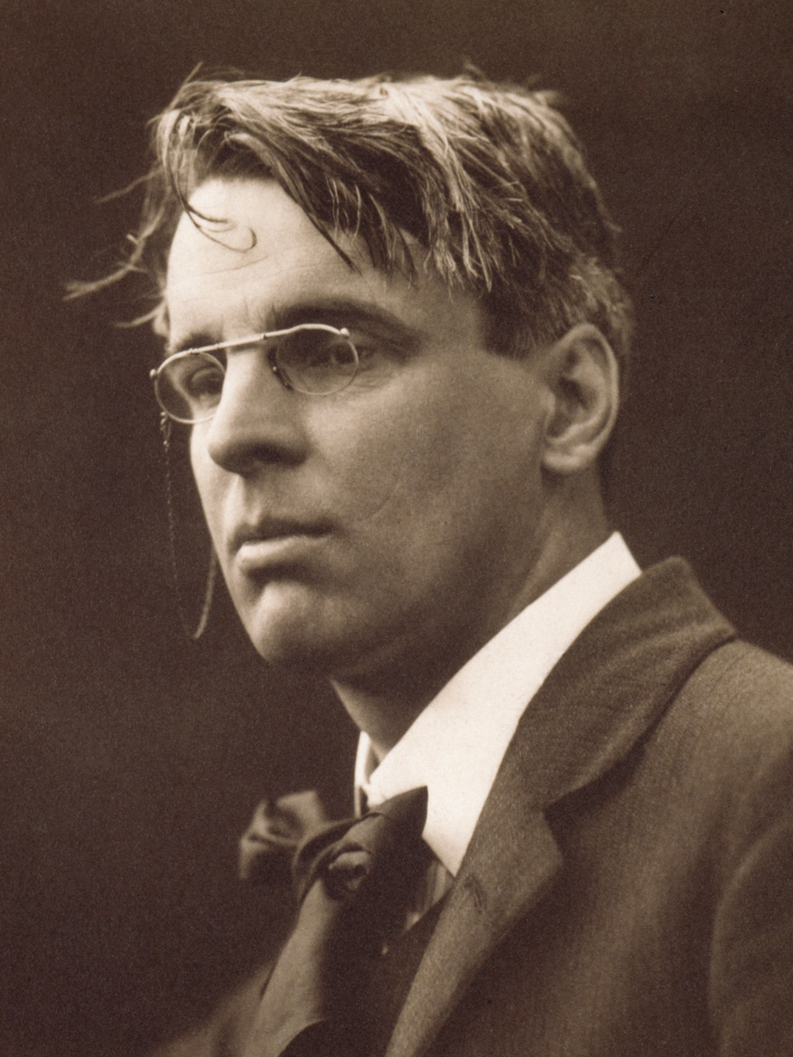
The “puberty gland” that lived in rats
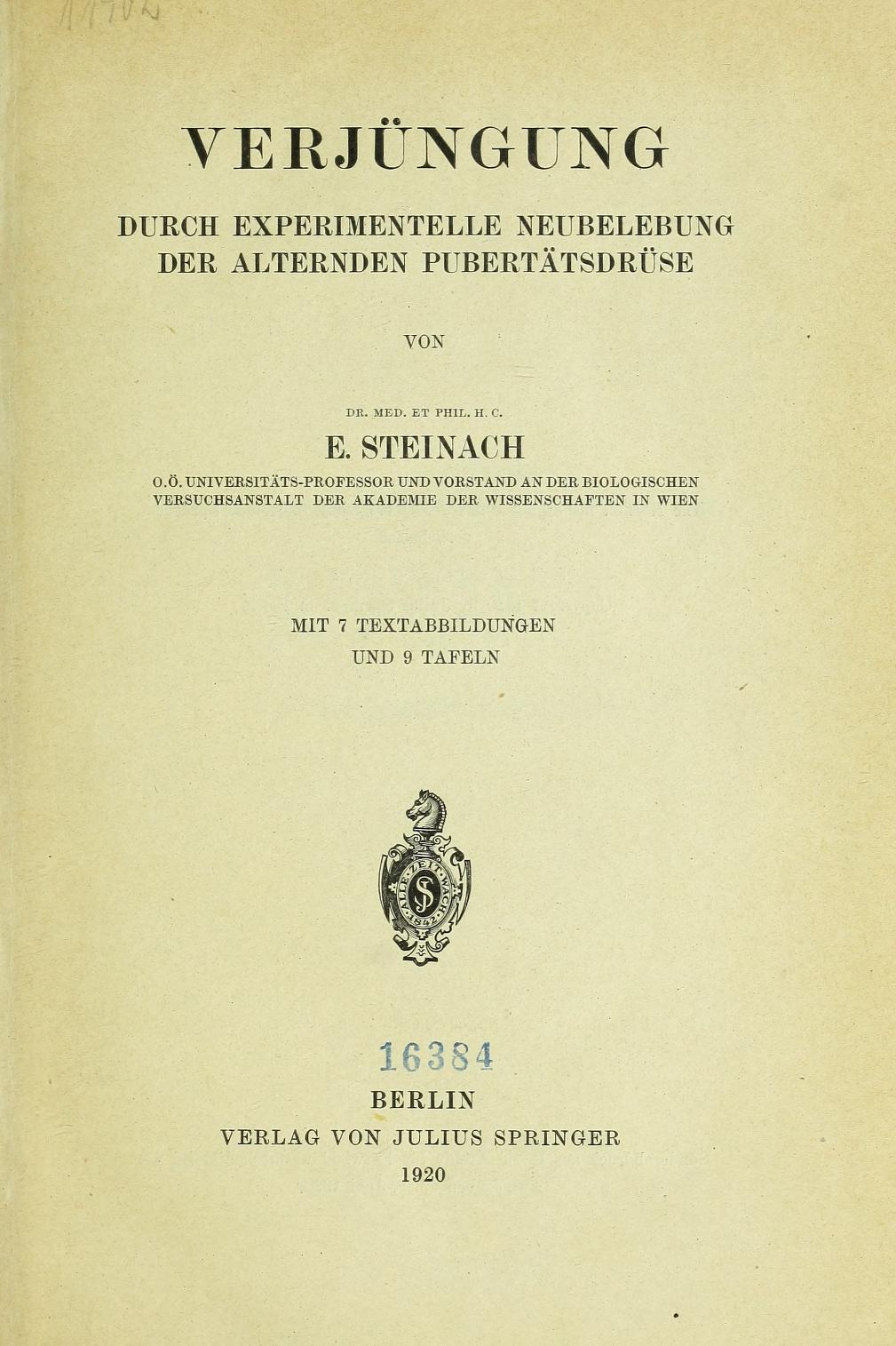
The theory ran like this. Block one vas deferens and you create back-pressure in the seminiferous tubules, shutting down sperm production on that side. The testis, no longer making sperm there, was supposed to compensate by swelling its interstitial cells — Steinach’s ‘puberty gland’ — into overdrive. Increased secretion from those cells would, he held, restore the hormonal state of a younger man and reverse the measurable signs of senescence. The mechanism was inferred from rat histology (1920 monograph) and was never demonstrated in controlled human studies. Modern endocrinology provides a different account: the hypothalamic-pituitary-gonadal feedback axis maintains testosterone within a range not substantially altered by unilateral vasoligation; interstitial cell hypertrophy of the degree and persistence Steinach predicted is not produced in humans by vasal obstruction. When testosterone was isolated in 1935, the predicted hormone shift was not documented. The mechanism was a surrogate inference from animal histology, not a demonstrated human endocrine effect.
Who collected, and who answered for it
Steinach was the developer, theorist, and principal public promoter of the vasoligation procedure. His academic position, publication income, and scientific reputation depended on the procedure’s credibility. He did not perform the operations himself, which created some separation between his financial interest and the surgical revenue, but he was the originator and the authoritative source for the entire enterprise. The 1922 Universum-Film documentary based on his experiments served as promotional material reaching both medical and lay audiences. He published no controlled trial and sponsored no adverse-event registry. Cooperating surgeons such as Haire in London generated their own revenue from the procedure independently of Steinach; Haire’s 1924 book served both as clinical reference and as promotional material for his own practice. The financial structure was therefore diffuse: Steinach captured reputational and publication income; performing surgeons captured procedure fees; no entity captured adverse-outcome accountability.
Outlived by the hormone it chased
The disconfirmation was diffuse rather than driven by a single landmark study. From 1935, the isolation of testosterone and the availability of synthetic androgens removed the theoretical rationale for the procedure: if the target hormone could be administered directly, the indirect and unproven vasoligation route was superfluous. The Schultheiss et al. 1997 review (PMID 9430441) identifies 1935 as the effective end of clinical uptake. No controlled trial demonstrated the claimed rejuvenation effect at any point; the absence of evidence for efficacy accumulated over two decades without producing a formal disconfirmation study. Steinach’s forced exile from Vienna in 1938 following the Nazi annexation ended his institutional advocacy for the procedure. He died in 1944 without the procedure having been subjected to a randomized or adequately controlled clinical evaluation. The subsequent synthesis and clinical use of testosterone replacement therapy, which addressed the same biological targets through direct pharmacological means, retrospectively confirmed that the mechanism Steinach invoked (increasing androgenic secretion) was not what vasoligation produced.
The operation died. The promotional formula survived. Between Lichtenstern’s first human operation in 1918 and the end of clinical uptake in 1935, rat histology became a human mechanism, the mechanism became a medical promise, Nobel nominations and more than 100 Viennese physicians became publicity, and patient reports stood in for controlled outcomes. Scientific prestige substituted for the evidence the claim still lacked.
The modern parallels below are descendants, not identical copies. Blueprint began in 2021 as Bryan Johnson’s N=1 self-experiment and turns one promoter’s biomarker changes into public rejuvenation claims; a 2025 peer-reviewed review found that epigenetic clocks are not validated for individual clinical use. TPE-IVIG is stronger research: a single-blind trial of 42 adults reported a 2.61-year change on epigenetic clocks. But that trial measured no disease or survival outcome. The technology improved; the evidentiary threshold did not. Until a claim clears it, “reversal” is a marketing conclusion, not a scientific one.
The pattern repeats
The same structural machinery appears in different treatments and eras. These cases show the claimed mechanism and how the claim met evidence.
Blueprint (Project Blueprint)
Therapeutic plasma exchange with intravenous immunoglobulin (TPE-IVIG)
More related cases · 10
Part of the lineage
Evidence · 12 sources
- Verjüngung durch experimentelle Neubelebung der alternden Pubertätsdrüse (1920)
- Sex and Life: Forty Years of Biological and Medical Experiments (1940)
- Rejuvenation in the early 20th century (1997)
- "O that I were young again": Yeats and the Steinach operation (1983)
- Historical Vignette: Attempted treatment of Sigmund Freud's oral squamous cell carcinoma by vasectomy (Steinach Operation) in 1923 (2020)
- "He Gave Us the Cornerstone of Sexual Medicine": A Nobel Plan but No Nobel Prize for Eugen Steinach (2020)
- The Most Secret Quintessence of Life: Sex, Glands, and Hormones, 1850-1950 (2006)
- Verjuengung durch experimentelle Neubelebung der alternden Pubertaetsdruese title page (1920)
- Project Blueprint (2021)
- From population science to the clinic? Limits of epigenetic clocks as personal biomarkers (2025)
- Multi-omics Analysis Reveals Biomarkers That Contribute to Biological Age Rejuvenation in Response to Single-Blinded Randomized Placebo-Controlled Therapeutic Plasma Exchange (2025)
- Can This Trendy Anti-Aging Treatment Really Help You Live Longer? (2025)