METHUSELAH ARCHIVE / PEOPLE / W. B. YEATS
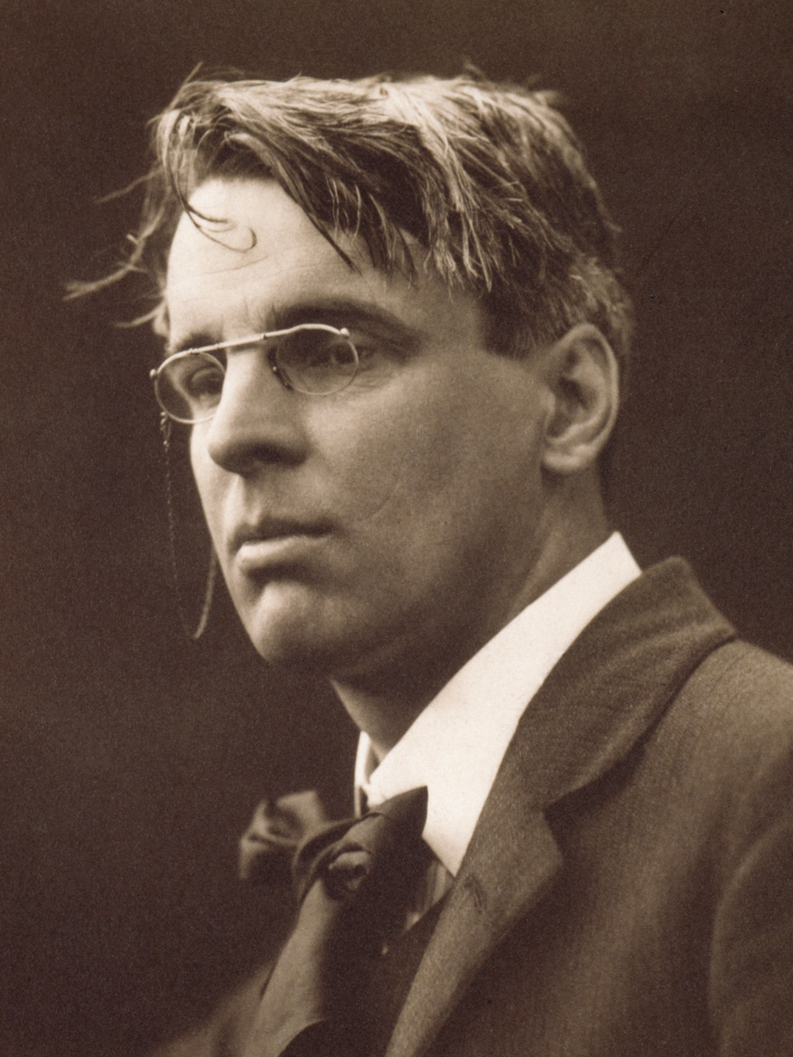
Sepia-toned portrait photograph of W. B. Yeats, a man in his mid-forties wearing a dark jacket and tie.
source

W. B. YEATS

William Butler Yeats
1865–1939 · Irish
role:Irish poet and Nobel Laureate (Literature, 1923)
nationality:Irish
connection:Yeats underwent the Steinach vasoligation on 6 April 1934, at age 68, at the Harley Street clinic of Australian-born sexologist Norman Haire in London. He had sought the procedure in the belief that it would restore his declining creative and sexual energies. According to the BMJ account by Lock (1983), Haire later reported Yeats as saying that before the operation he had been unable to write anything new. Yeats wrote to a correspondent in 1937 that the procedure 'revived my creative power' and his 'sexual desire.' The Dublin press took to calling him 'the gland old man.' The final years of his life, 1934 to 1939, produced a substantial body of late poetry including 'The Spur' (1938) and other work characterized by its erotic directness. Whether the perceived renewal was physiological or psychological cannot be determined from the available evidence; no objective outcome data were collected. Yeats died in January 1939, five years after the procedure.
confirmed:yes
APPEARS IN CASES
NOTES

W. B. Yeats (1865-1939) is the most documented named patient of the Steinach operation’s peak period. His 1934 vasoligation by Norman Haire in London is confirmed by multiple independent sources: Lock’s 1983 BMJ article (PMID 6418285), Schultheiss et al. 1997 (PMID 9430441), and contemporaneous accounts. The date of 6 April 1934 is cited by Wikipedia from the Lock BMJ account; Haire’s own book on rejuvenation (1924) is the primary clinical reference for the procedure as Haire performed it. Yeats’s self-reports of renewed creative output are documented in his correspondence. The procedure’s actual physiological contribution is not separately assessable from the documented placebo and expectation effects. Yeats died in Roquebrune-Cap-Martin, France, on 28 January 1939 at age 73, within normal life expectancy for his demographic; no evidence of life extension was produced.