Magnetic somnambulism (artificial somnambulism)
In 1784 the Marquis de Puysegur, a Mesmer initiate, magnetized a young man named Victor Race and watched him sink into a calm, lucid sleep in which he claimed to diagnose disease. Puysegur taught the technique through paid magnetic societies. But Franklin's 1784 commission found no magnetic fluid, the Academie Royale de Medecine confirmed no clairvoyant diagnosis in 1826-1831, and the 1837 Burdin prize for eyeless reading went unwon.
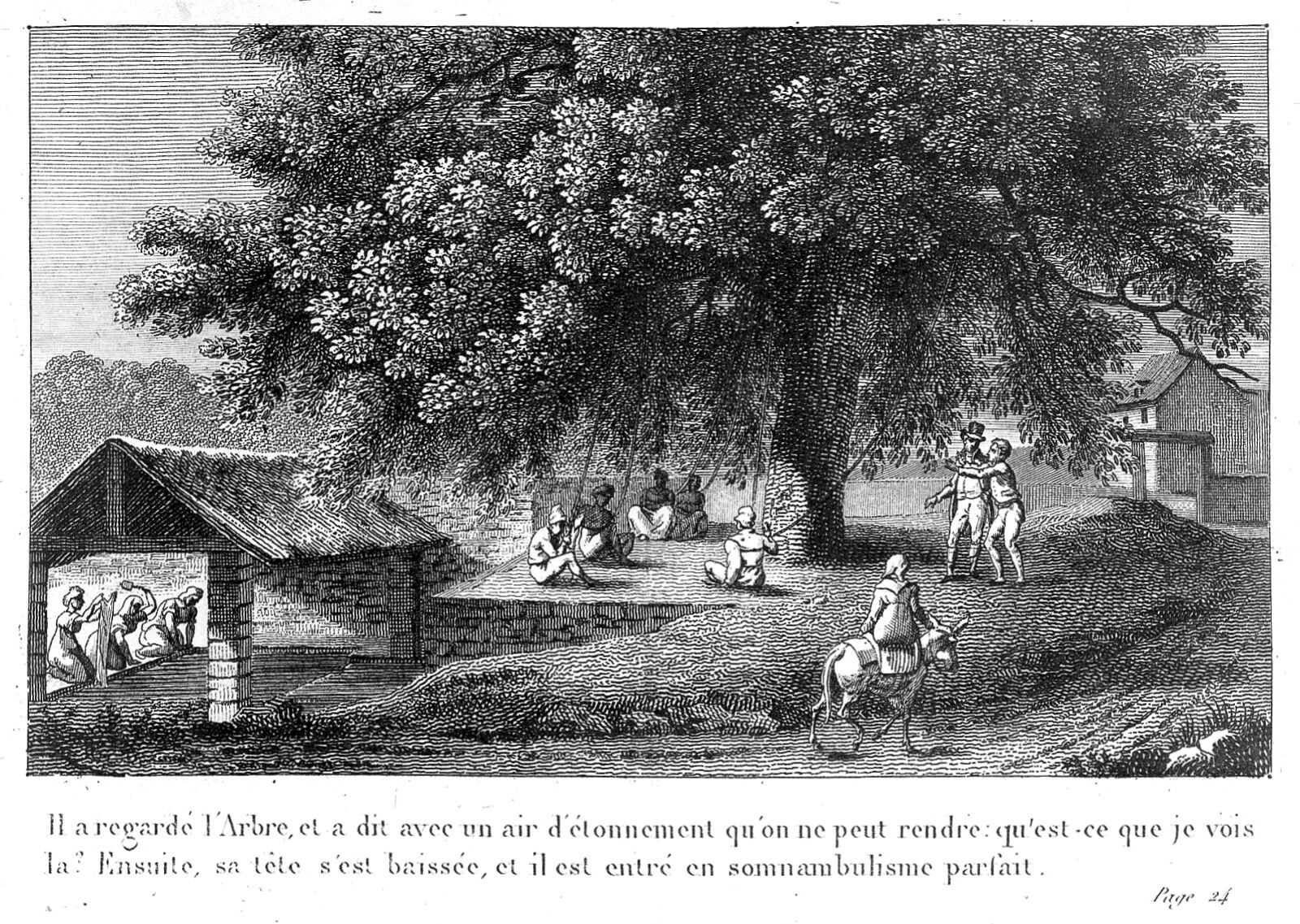
The aristocrat who magnetized his peasants to sleep
In 1784, on his family estate at Buzancy near Soissons, the Marquis de Puységur magnetized a young man named Victor Race and got something Mesmer had never produced in Paris. Instead of the violent ‘crisis’ of the baquet, Race sank into a calm, sleep-like state: he was lucid, he spoke, he took direction, and when he woke he remembered nothing. Puységur named it artificial, or magnetic, somnambulism, and made it the centre of the practice. In this lucid sleep, he claimed, the subject could perceive the seat of disease and prescribe its cure.
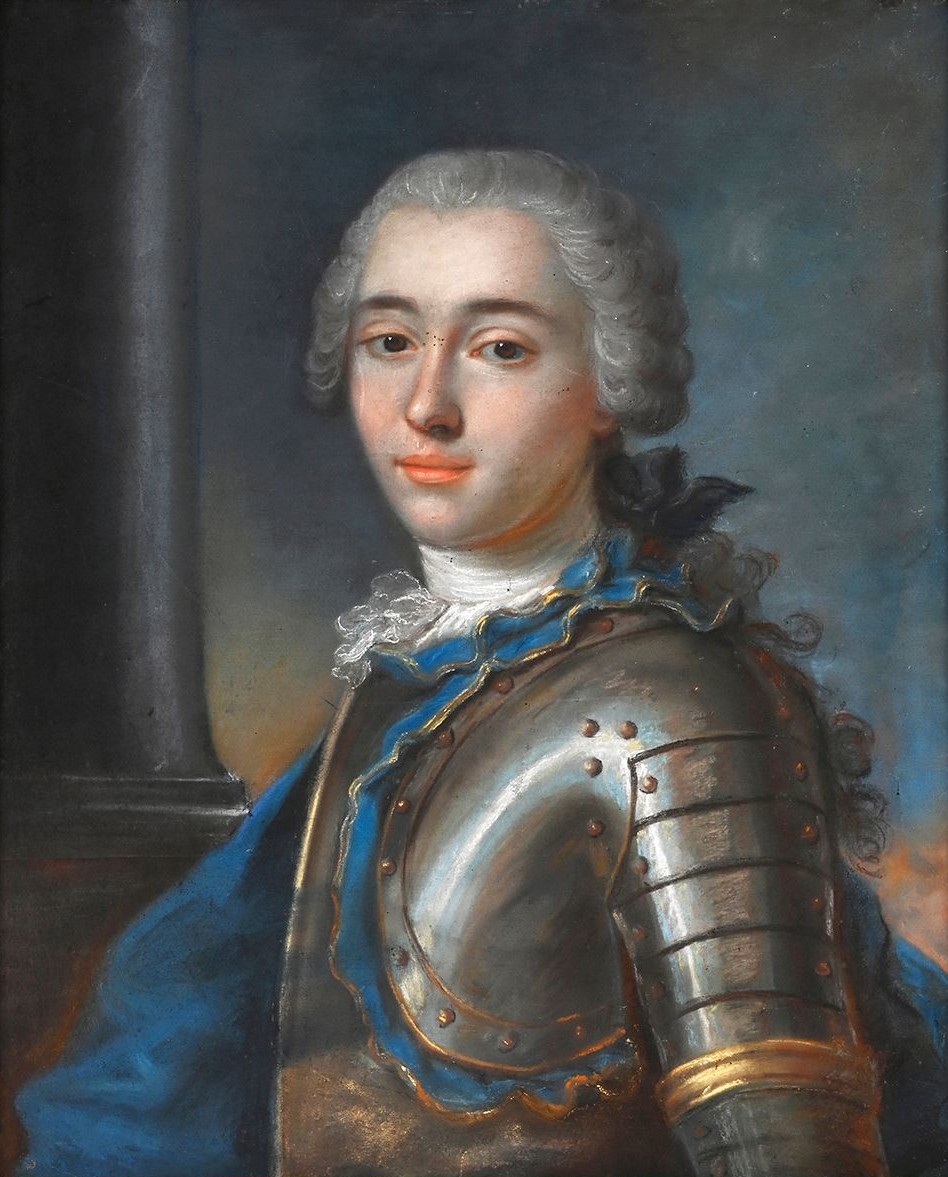
Armand-Marie-Jacques de Chastenet, Marquis de Puységur (1751-1825), was a French aristocrat and military officer and an initiate of Mesmer’s Société de l’Harmonie. His standing (an aristocratic officer with a country estate and a Mesmerian credential) and the gentler, less alarming character of his method gave the practice a respectability Mesmer’s convulsive sessions had begun to lose. He set out the discovery in his 1784 Détail des cures opérées à Buzancy, expanded it in his Mémoires pour servir à l’histoire et à l’établissement du magnétisme animal, and gave it a mature physiological statement in the 1811 Recherches on somnambulism.
A hundred louis to learn the secret
Access ran through the same subscription societies that structured Mesmer’s practice. Mesmer’s Société de l’Harmonie, founded in Paris in 1783, sold instruction in the magnetic ‘secret’ for an initiation of 100 louis, a sum that priced out everyone below the wealthy professional and aristocratic class. Puységur, himself an initiate, founded a provincial society on that model, the Société Harmonique des Amis Réunis at Strasbourg, in 1785, to train operators and propagate the somnambulist method. The societies were the gatekeeping mechanism: the technique was taught to paying, vetted members and practiced on others. Puységur’s own estate work at Buzancy was a separate, charitable face of the same movement, conducted among his peasants and dependents rather than sold.
A faculty no one could see, attached to a fluid no one could find
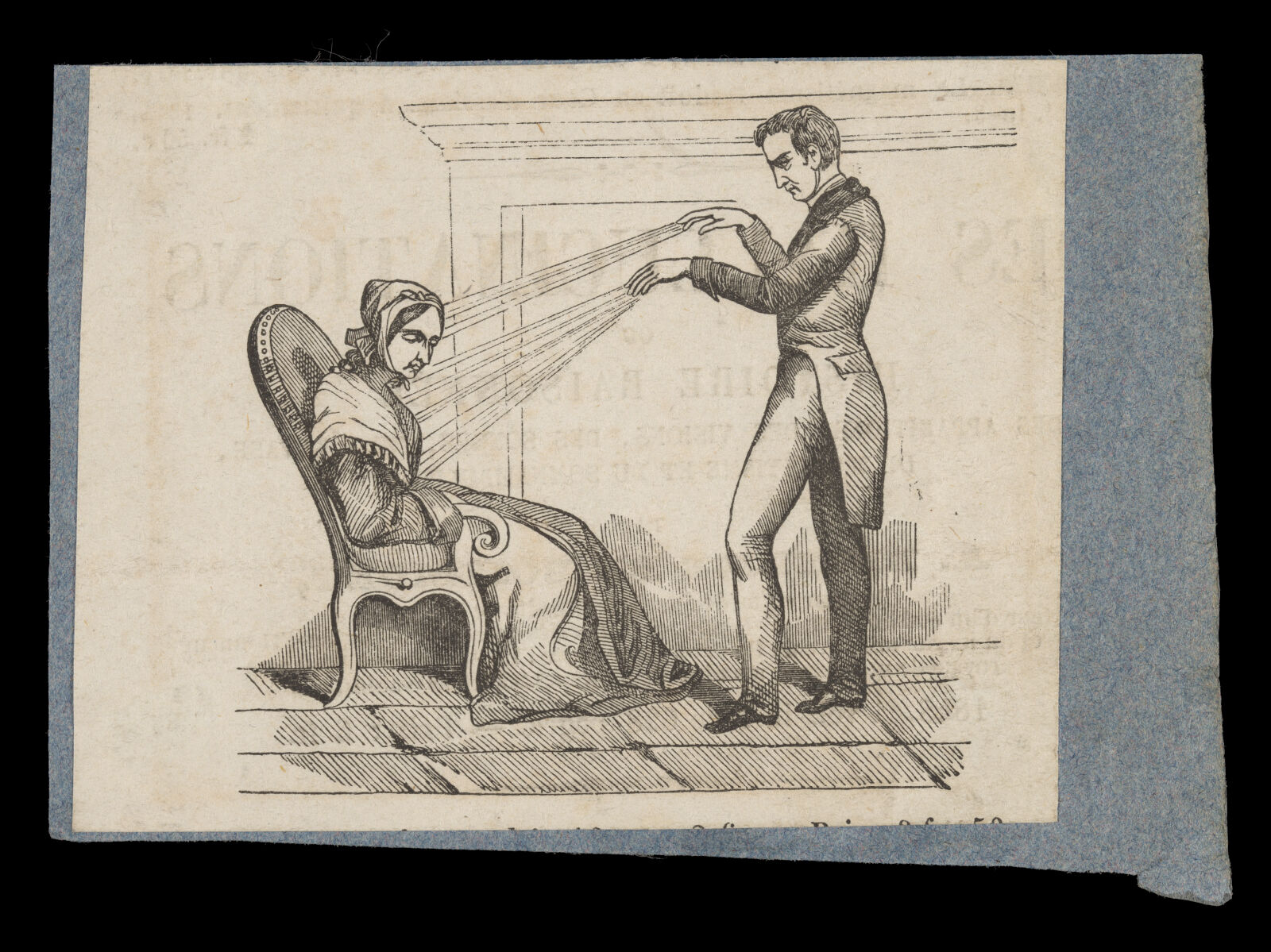
The proposed cause was Mesmer’s universal magnetic fluid, supposedly redirected by the operator’s hands and will. Puységur’s innovation was to shift attention from the fluid itself to the state it was said to produce. In magnetic somnambulism the entranced subject was held to gain a lucid faculty: to perceive the seat of disease in their own body and in others, to prescribe remedies, and to predict the illness’s course. This was a surrogate at one remove. The fluid was never demonstrated, and the diagnostic faculty rested on the testimony of operators and their somnambulists. The visible product, the trance state, was real, but the explanation attached to it was speculative from the outset.
Charity on the estate, paid membership around it
The conflict here is structural rather than personal. Puységur was a man of independent means who did not run a fee-charging clinic, and the sources describe his Buzancy treatment as non-commercial. But the movement that carried his method monetized access: Mesmer’s Société de l’Harmonie charged its 100-louis initiation, and the provincial societies, including Puységur’s Strasbourg Société Harmonique des Amis Réunis (1785), reproduced that paid, members-only structure. Puységur was simultaneously the developer of the somnambulism doctrine, the author of its principal texts, and a credentialing authority for the Strasbourg network. The interest at stake was less Puységur’s purse than the authority and membership of a closed society selling instruction in an unfalsifiable technique.
Two commissions, one unclaimed prize
Disconfirmation came in two waves. In 1784, the year of Puységur’s discovery, the royal commission headed by Benjamin Franklin (with Lavoisier, Bailly, Guillotin, and others) examined animal magnetism under blind and controlled conditions and concluded that there was no magnetic fluid and that the effects followed the patient’s imagination and expectation. That verdict struck the mechanism common to Mesmer and Puységur alike. The specific claims of magnetic somnambulism were tested later: when the Académie Royale de Médecine investigated somnambulists in 1826-1831, the Husson report allowed that magnetizing could induce sleep and altered sensibility but did not confirm any clairvoyant diagnosis, and the Burdin prize of 1837, offered for a somnambulist who could read with the eyes covered, was never claimed. The induced state survived as a real phenomenon and became part of the prehistory of hypnosis; the fluid and the clairvoyance did not.
The pattern repeats
The same structural machinery appears in different treatments and eras. These cases show the claimed mechanism and how the claim met evidence.
Electronic Reactions of Abrams (ERA)
Animal magnetism (mesmerism)
Perkins Metallic Tractors
Part of the lineage
Evidence · 6 sources
- Détail des cures opérées à Buzancy, près Soissons, par le magnétisme animal (1784)
- Recherches, expériences et observations physiologiques sur l'homme dans l'état de somnambulisme naturel, et dans le somnambulisme provoqué par l'acte magnétique (1811)
- The Marquis de Puységur, Artificial Somnambulism, and the Discovery of the Unconscious Mind (2024)
- Rapport des commissaires chargés par le Roi de l'examen du magnétisme animal (Public Report) (1784)
- Later French Commissions (2011)
- Mesmerism and the End of the Enlightenment in France (1968)