METHUSELAH ARCHIVE / PRACTITIONERS / ARMAND-MARIE-JACQUES DE CHASTENET, MARQUIS DE PUYSÉGUR
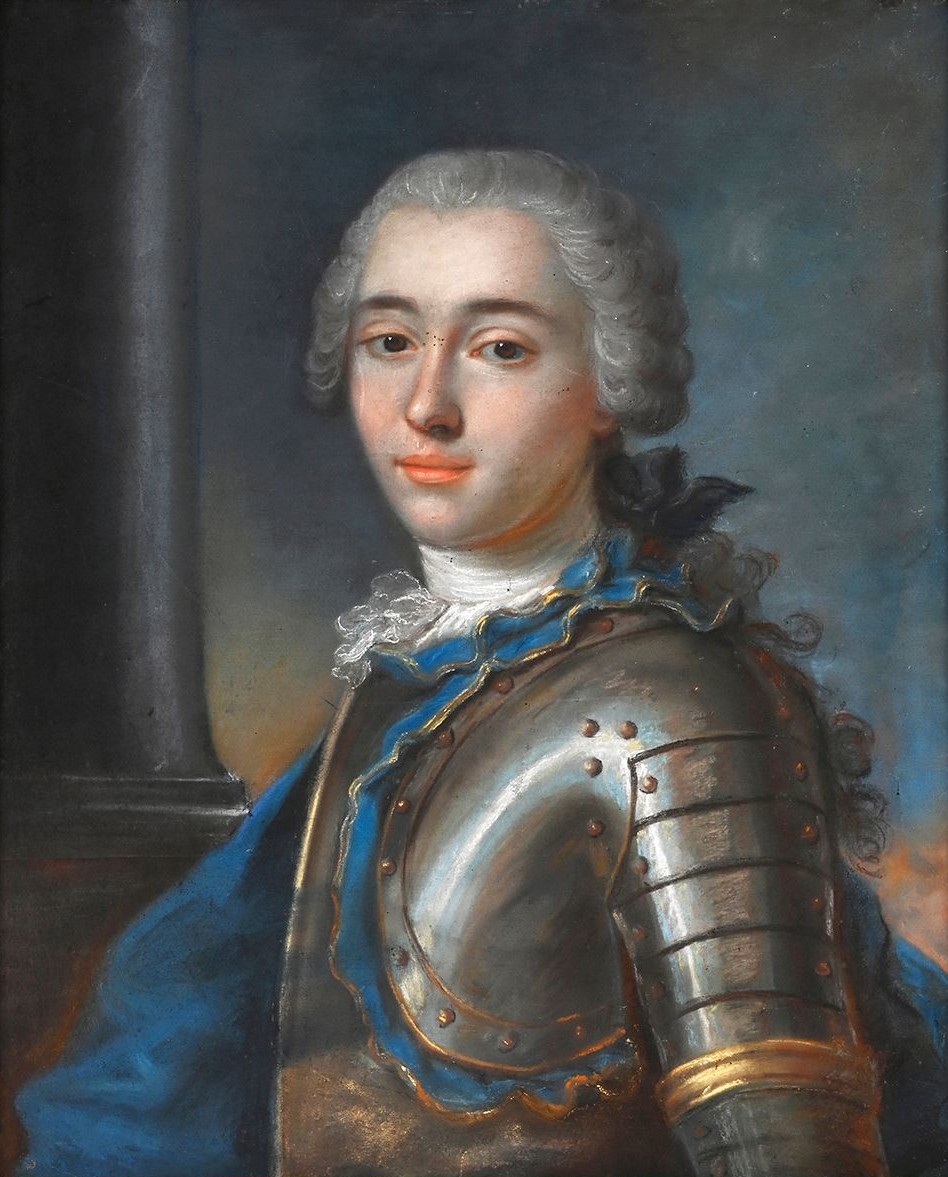
Pastel portrait of a young man in armour wearing a white wig and a blue sash
source

ARMAND-MARIE-JACQUES DE CHASTENET, MARQUIS DE PUYSÉGUR

individual · Buzancy (Aisne) and Strasbourg, France
lived:1751–1825
active:1784–1820
type:individual
role:promoter
location:Buzancy (Aisne) and Strasbourg, France
eventual status:publicly_disconfirmed
FINANCIAL CONFLICTS
Puységur was a French aristocrat and military officer of independent means, and unlike Mesmer he did not run a fee-charging clinic; his magnetic practice began among the peasants and dependents on his Buzancy estate and is not recorded as a subscription operation. The conflict in this case is structural rather than personal. The animal-magnetism movement he worked within monetized access through Mesmer's Société de l'Harmonie, whose Paris initiation was set at 100 louis, and Puységur founded and led a provincial society on that model, the Société Harmonique des Amis Réunis at Strasbourg (1785). He was at once the developer of the somnambulism doctrine, the author of its principal texts, and a credentialing authority for the Strasbourg network. The sources describe his own Buzancy treatment as non-commercial and do not record him profiting personally from the societies' fees.
INTERVENTIONS PROMOTED
NOTES

Armand-Marie-Jacques de Chastenet, Marquis de Puységur (1751-1825), was a French aristocrat and military officer who became the most important magnetizer after Mesmer himself. An initiate of Mesmer’s Société de l’Harmonie, he carried the technique to his family estate at Buzancy, near Soissons, where in 1784 he observed that magnetizing some subjects produced not Mesmer’s convulsive crisis but a calm, sleep-like lucid state he called artificial (or magnetic) somnambulism. He set out the practice in his 1784 Détail des cures opérées à Buzancy, his Mémoires pour servir à l’histoire et à l’établissement du magnétisme animal, and the 1811 Recherches on somnambulism, and he founded the Société Harmonique des Amis Réunis at Strasbourg in 1785 to propagate it. His career was interrupted by the Revolution (during which he was imprisoned), and he revived his magnetic work in the 1800s and 1810s. He died in 1825 still defending the doctrine. The dates 1751-1825 are confirmed by the BnF, VIAF, GND, and Library of Congress authority records and by the Wellcome Collection’s catalogue authority for his works.