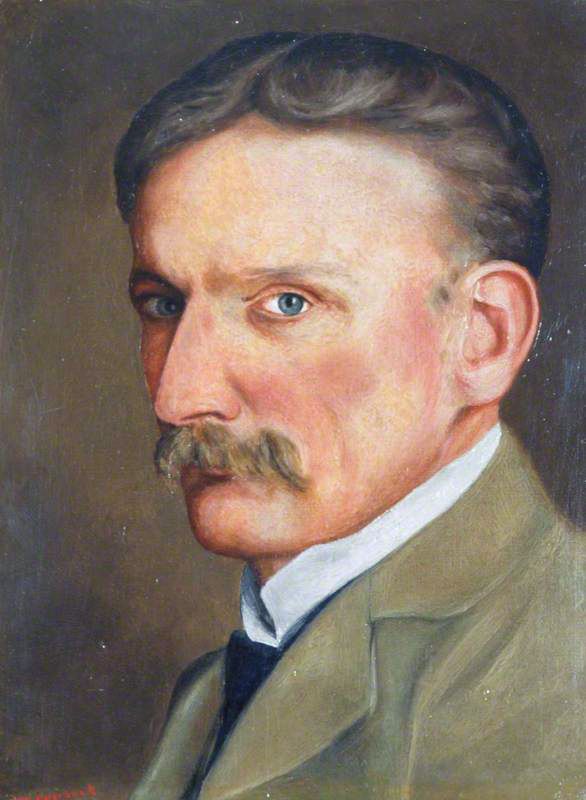
Otto Overbeck
Otto Christoph Joseph Gerhardt Ludwig Overbeck (1860 to 1937) was a chemist, brewer, and self-described scientist born in London on 10 May 1860. James F. Stark’s 2014 study in Medical History records that Overbeck deposited a patent for an ‘Electric Multiple Body Comb’ in 1924 and built it into a domestic electrotherapy device, the Rejuvenator, which he sold directly to the public through the later 1920s and 1930s until wartime production halted around 1940. He was not a medical man, which Stark identifies as central to his commercial method: lacking a professional reputation to protect, he advertised aggressively to lay consumers, leaning on testimonials and on his self-presentation as a credentialed scientist who had discovered the electrical basis of life. He set out that theory in his own books, ‘A New Electronic Theory of Life’ (1925) and ‘The New Light: Overbeck’s Electronic Philosophy of the Universe’ (1936). His eventual status is publicly disconfirmed: the British Medical Association refused him advertising space in the British Medical Journal in 1928, commissioned an electrical engineer to test the device, and contacted the practitioners whose endorsements he quoted, while Australian authorities moved against the product in 1934. The profession’s reception was essentially uniformly hostile even as the Rejuvenator sold well and made Overbeck rich.