METHUSELAH ARCHIVE PRACTITIONERS / JAMES GRAHAM
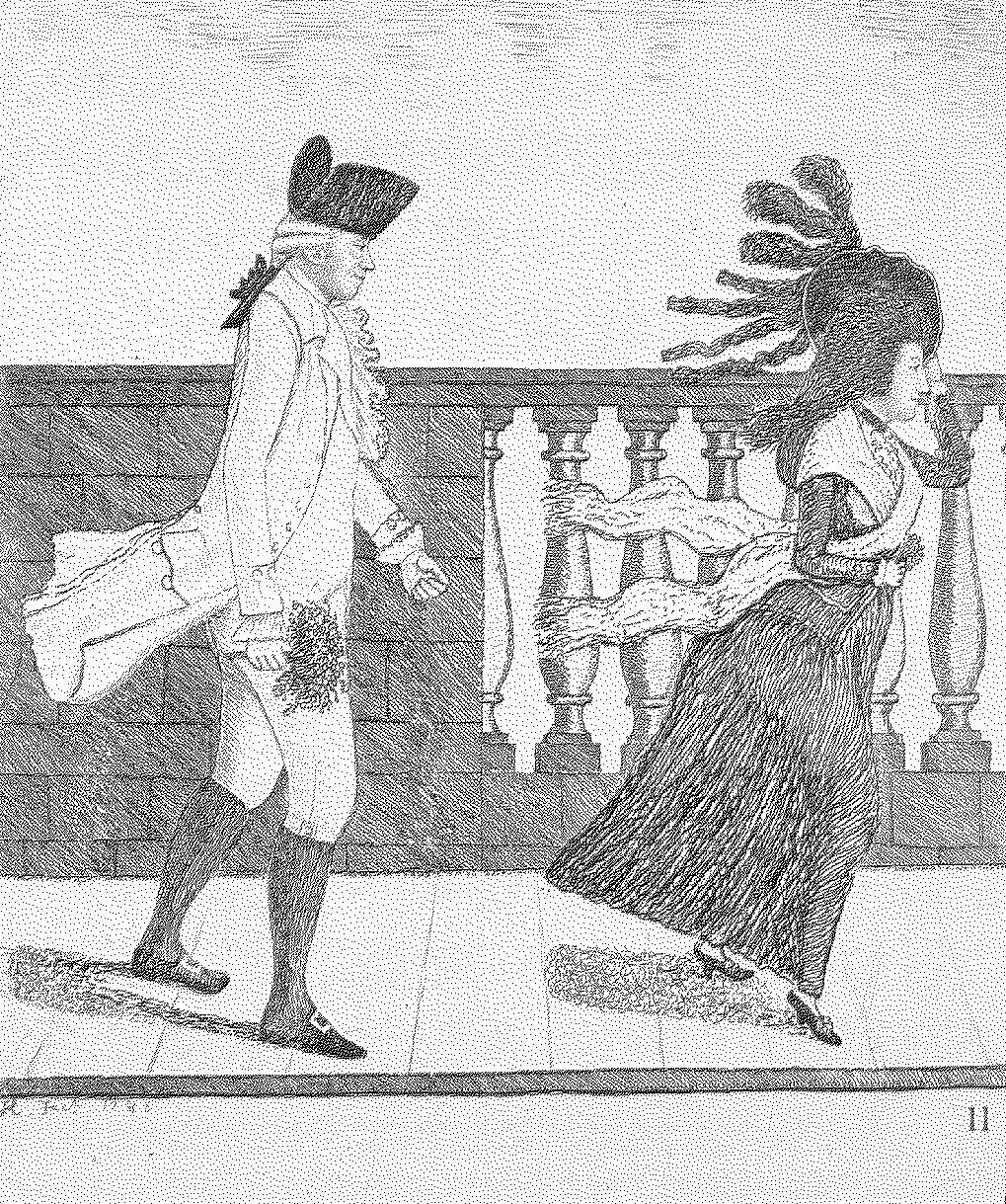
Caricature etching of a man in a tricorn hat and breeches striding along a stone bridge balustrade in high wind, with a woman behind him whose tall feathered hair and long skirt blow sideways; the plate is numbered in the lower right.
PUBLIC DOMAIN source

James Graham

individual · London (Adelphi Terrace, then Schomberg House, Pall Mall, 1780-1784) and Edinburgh
lived:1745–1794
active:1780–1794
type:individual
role:promoter
location:London (Adelphi Terrace, then Schomberg House, Pall Mall, 1780-1784) and Edinburgh
eventual status:publicly_disconfirmed
FINANCIAL CONFLICTS
Graham was the developer of the Temple of Health and its later iteration as the Temple of Hymen, the lessee of the premises (the Adelphi Terrace through May 1780, then Schomberg House on Pall Mall from June 1781), the deviser and principal vendor of the Grand State Celestial Bed (offered for hire at fifty pounds for a single night), and the proprietor of a branded medicine line whose principal advertised names recorded in the Wikipedia biography are Electrical Aether and Nervous Aetherial Balsam. Lecture admission, single-night bed hire, and bottled-medicine sales were all collected at the same Pall Mall address. He published no controlled trial of any of his preparations and ran no comparison study; his Lecture on Generation was the principal vehicle for promoting both the bed and the medicines. By March 1784 he was forced to sell most of his possessions; the financial structure that depended on a single elite-priced establishment did not survive the loss of fashionable patronage.
INTERVENTIONS PROMOTED
NOTES

James Graham (born 23 June 1745, Edinburgh; died 1794, Edinburgh) was a Scottish self-styled doctor and medical showman who left Edinburgh medical training without a degree and built his London practice on theatrical electrical and magnetic apparatus. He opened the first Temple of Health at the Adelphi in May 1780 and the Temple of Hymen at Schomberg House on Pall Mall in June 1781, where the Grand State Celestial Bed was the central attraction. He delivered the Lecture on Generation, sold the proprietary Electrical Aether and Nervous Aetherial Balsam (the two preparations recorded by name in the Wikipedia biography), and employed young women in the displays under the title Goddesses of Health (the term Wikipedia gives for the role). By 1782 the JSTOR Daily account reports him bankrupt; Wikipedia records that by March 1784 he was forced to sell most of his possessions. He resurfaced in 1786 with public earth-bathing exhibitions in Panton Street in London (lecturing buried up to the neck in earth) and at the end of 1792 began experimenting with extended fasting to prolong his life. He died at his home in Edinburgh in 1794. The principal modern biography is Lydia Syson, Doctor of Love: James Graham and His Celestial Bed (Alma Books, 2008); Richard C Sha’s 2010 review in Medical History opens with the assessment that “It is no easy matter to situate a man who cared more for celebrity and marketing than science or medicine within the history of medicine.”