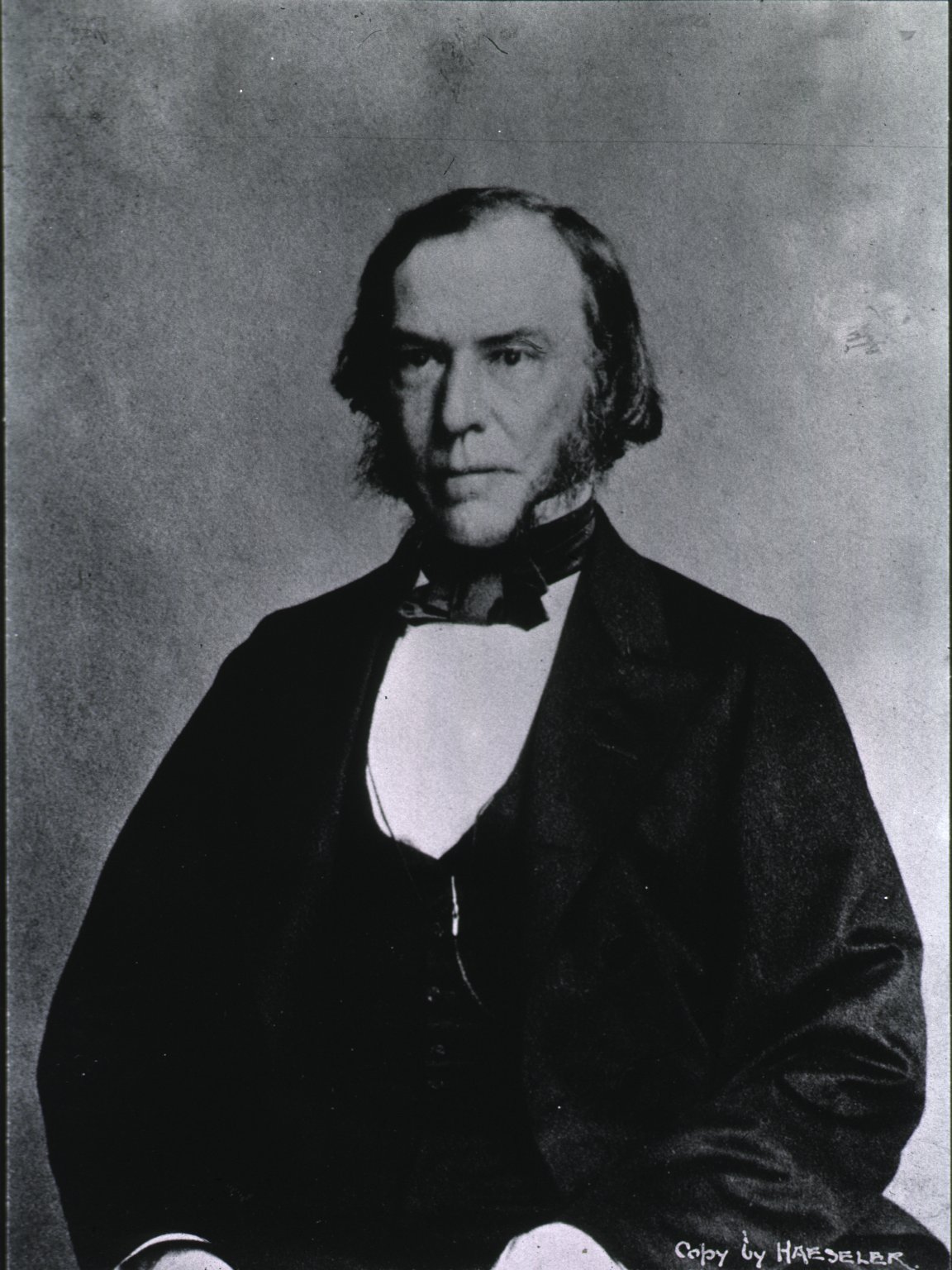
Charles-Édouard Brown-Séquard
individual · Paris, France
FINANCIAL CONFLICTS
Brown-Séquard and his assistant Jacques-Arsène d'Arsonval initially distributed the testicular extract free of charge to physician colleagues as research material. Brown-Séquard did not directly profit from the commercial sale of 'Brown-Séquard's elixir' and similar preparations sold by independent pharmacists and pharmaceutical manufacturers from 1890 onward. The financial conflict in this case is therefore academic-reputational rather than direct-commercial: the published announcement and subsequent claims preserved his professional standing in a domain his contemporaries had begun to consider eccentric. The pharmaceutical industry that grew up around the announcement was, however, a major commercial enterprise driven by Brown-Séquard's published authority, and the broader category of 'organotherapy' that followed generated substantial revenue for the early pharmaceutical industry across Europe and North America.
INTERVENTIONS PROMOTED
NOTABLE PATIENTS
EXTERNAL REFERENCES
NOTES
Charles-Édouard Brown-Séquard (8 April 1817 to 1 April 1894) was born in Port Louis, Mauritius, and educated in Paris. He held senior academic positions across his career in Paris, London, Dublin, and at Harvard Medical School; he was appointed to the chair of experimental medicine at the Collège de France in 1878 and held the position until his death. His scientific contributions before the 1889 rejuvenation episode were substantial and included foundational work on spinal cord physiology (Brown-Séquard syndrome, the contralateral motor-ipsilateral sensory pattern of hemisection, is named for him), endocrinology, and experimental neurology. The 1889 self-injection report, delivered at the Société de Biologie on 1 June 1889 and republished in The Lancet later the same summer, became the defining event of his late career and the founding event of modern elite-targeted rejuvenation medicine.