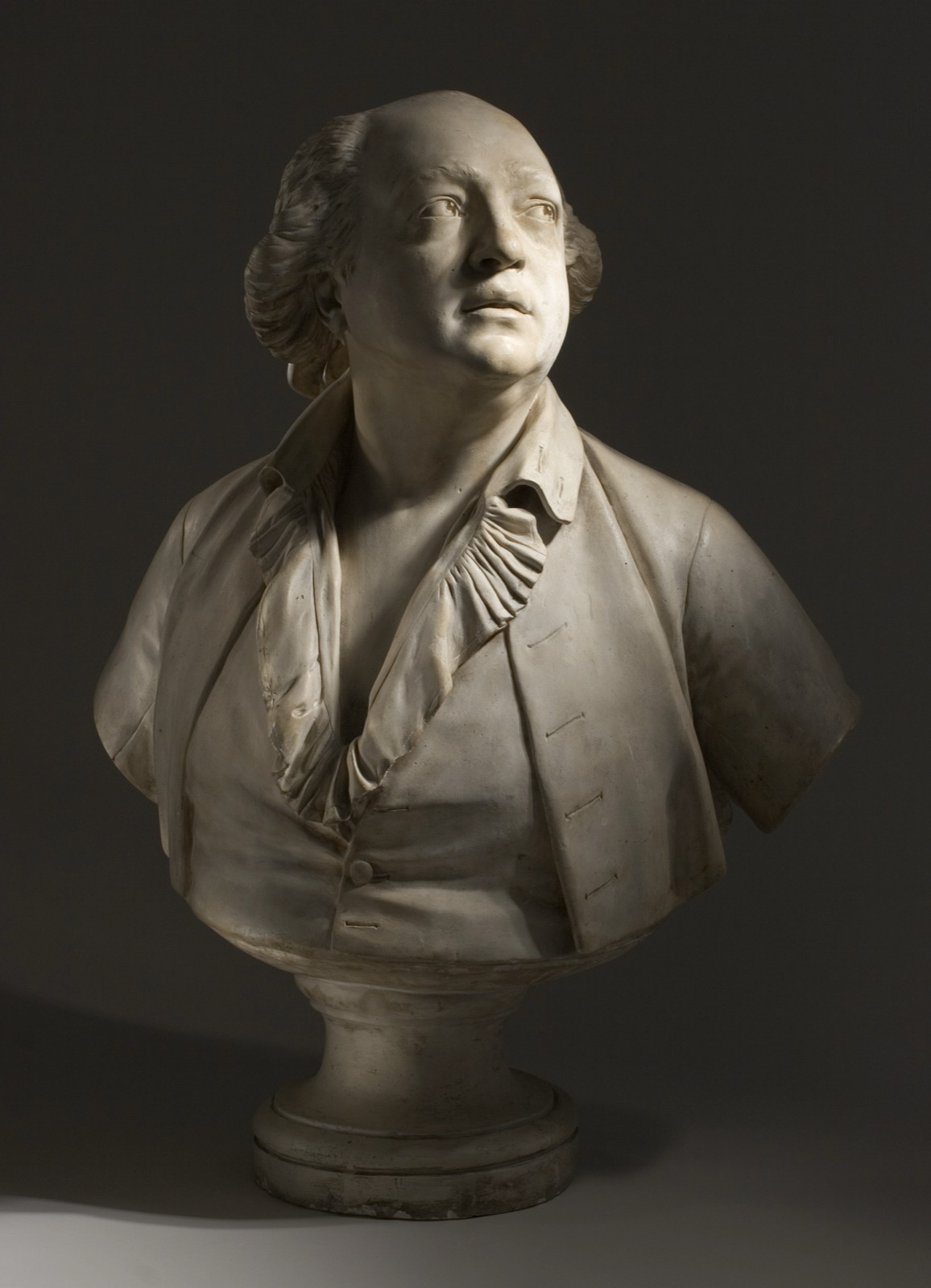
Count Alessandro di Cagliostro (Giuseppe Balsamo)
Count Alessandro di Cagliostro was the best-known alias of Giuseppe Balsamo, born in Palermo in 1743 (the period biographer W. R. H. Trowbridge recorded contemporary uncertainty between 1743 and 1748; standard reference works give 1743). From the late 1770s he travelled the courts and salons of Europe as a healer, alchemist, and founder of an “Egyptian” Freemasonry, selling cures, secret remedies, and a regimen of “moral and physical regeneration” that promised to restore the body to youth. He practised at Mitau and St Petersburg, then at Strasbourg from 1780 under the patronage of Cardinal Louis de Rohan, and at Lyon and Paris in 1784 and 1785, where he founded the Mother Lodge of the Egyptian Rite.
His public standing collapsed in two stages. The Diamond Necklace Affair of 1785 to 1786 saw him imprisoned in the Bastille and then expelled from France, though he was not convicted in that matter. He returned to Rome, where the Holy Office arrested him in December 1789. In 1791 the Roman Inquisition condemned him for heresy and imposture and produced an official biography, the Compendio della vita e delle gesta di Giuseppe Balsamo, which identified “Count Cagliostro” as the Sicilian forger Giuseppe Balsamo and presented his arcana as deliberate frauds. His death sentence was commuted to life imprisonment; he died in the fortress of San Leo, in the Papal States, on 26 August 1795, at roughly fifty-two, having neither demonstrated the regeneration he sold nor attained the great age he had implied for himself. The standard modern scholarly biography is Iain McCalman, The Last Alchemist: Count Cagliostro, Master of Magic in the Age of Reason (HarperCollins, 2003).