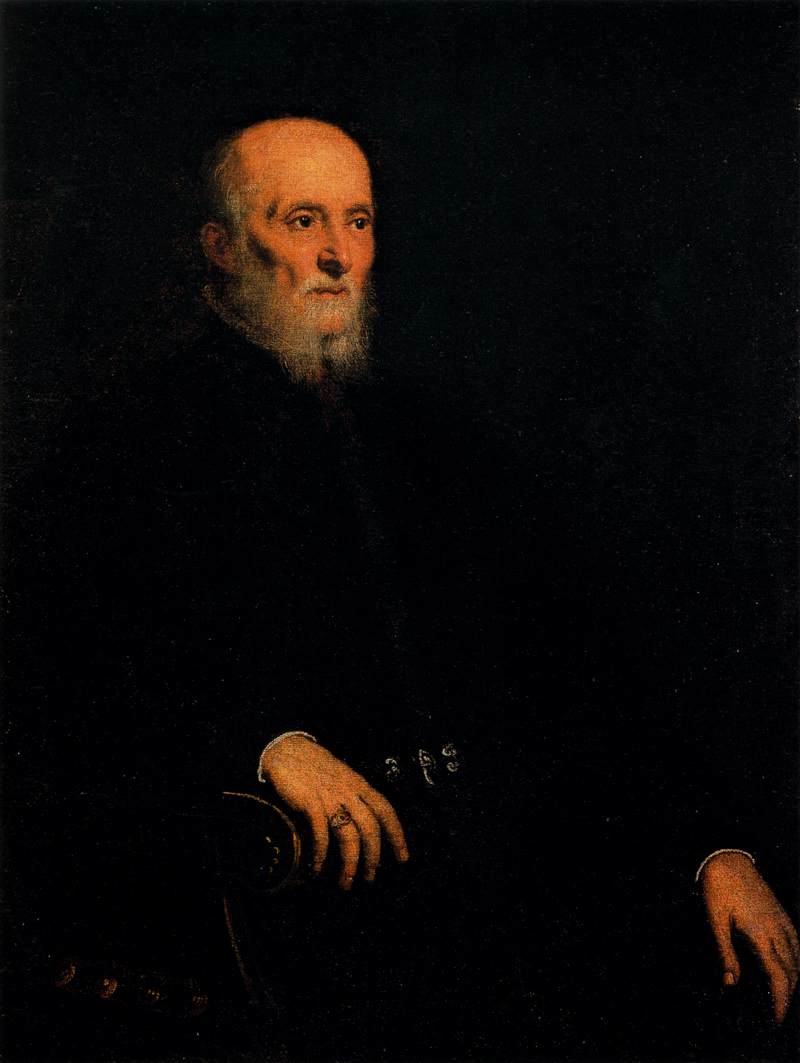
Luigi Cornaro
Luigi Cornaro (also Alvise Cornaro, c. 1484-1566) was a Venetian nobleman of Padua who became the most widely read lay advocate of dietary moderation in early modern Europe. By his own account he ruined his health by his fortieth year through excess and was restored by adopting a fixed, spare daily diet, which he then promoted in the Discorsi della vita sobria as the route to health and long life. He is encoded as a promoter, but he was also the sole subject of his own doctrine: the case rests on his single self-reported life history.
His eventual_status is recorded as quietly_faded in a specific sense. Cornaro’s literal headline claim, that his spare diet carried him in vigour to extreme old age, is not endorsed by modern scholarship, which notes that he overstated his age and places his lifespan at about eighty-two rather than the ninety-eight to one hundred and two later attributed to him. What did not fade is his influence: Cornaro became the acknowledged precursor of the dietary-restriction tradition in longevity thought, cited by Bacon, by Hufeland’s macrobiotics, and by later caloric-restriction research. The literal proof quietly lost standing; the lineage of the idea did not.