METHUSELAH ARCHIVE / PRACTITIONERS / ÉLIE METCHNIKOFF
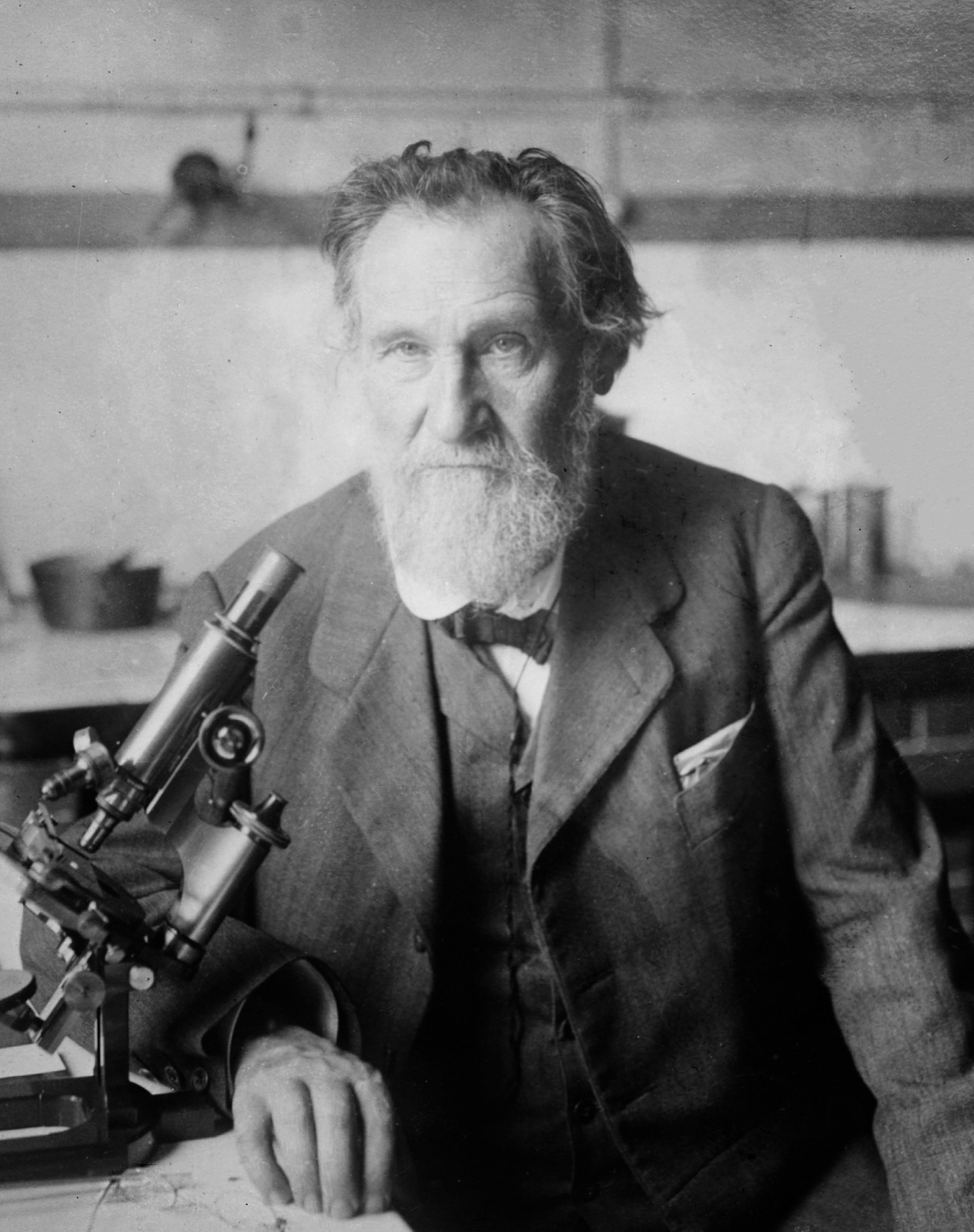
Portrait photograph of Élie Metchnikoff, a bearded man in a dark suit, facing slightly right, circa 1910 to 1915.
source

ÉLIE METCHNIKOFF

individual · Pasteur Institute, Paris, France
lived:1845–1916
active:1904–1916
type:individual
role:promoter
location:Pasteur Institute, Paris, France
eventual status:publicly_disconfirmed
"As lactic fermentation serves so well to arrest putrefaction in general, why should it not be used for the same purpose within the digestive tube?"
FINANCIAL CONFLICTS
Metchnikoff was a salaried scientist and from 1904 deputy director of the Pasteur Institute in Paris; he shared the 1908 Nobel Prize in Physiology or Medicine with Paul Ehrlich for work on phagocytosis. The sources reviewed for this case do not document that he patented soured-milk preparations, held equity in a producer, or took royalties, and one historical account states that he distanced himself from the commercial profiteering that followed his advocacy. The conflict of interest in this case is therefore institutional and reputational rather than personal-financial: a Nobel laureate and his Institute's scientific authority were the engine of a commercial sour-milk and 'Bulgarian culture' market (pharmacy tablets, powders, and home-fermentation incubators) sold on a life-extension promise that no controlled trial supported. This differs from the developer-vendor pattern in other archive cases (Bailey, Voronoff), where the promoter was also the seller; here the promoter's endorsement was the asset that others monetized.
INTERVENTIONS PROMOTED
NOTABLE PATIENTS
NOTES

Élie Metchnikoff (1845-1916), born Ilya Ilyich Mechnikov near Kharkov, was a zoologist and immunologist who joined the Pasteur Institute in 1888 and became its deputy director. His 1908 Nobel Prize, shared with Paul Ehrlich, recognized his work on phagocytosis and cellular immunity; that work is not in question here. The disconfirmed item is the separate longevity programme he set out from a 1904 public lecture on old age and in The Nature of Man (1903) and The Prolongation of Life (1907 French; 1908 English): the theory that the large intestine is a source of life-shortening autointoxication and that daily soured milk, carrying lactic-acid bacteria, would arrest it. The publicly_disconfirmed status applies to this longevity theory, not to his immunology. The key quotation is the analogical step on which the therapy turned, from food preservation to the gut (The Prolongation of Life, 1908, p. 166). Metchnikoff promoted the regimen on his own scientific authority; the controlled human evidence for life extension was never produced, and the autointoxication premise was rejected within a decade of his death.